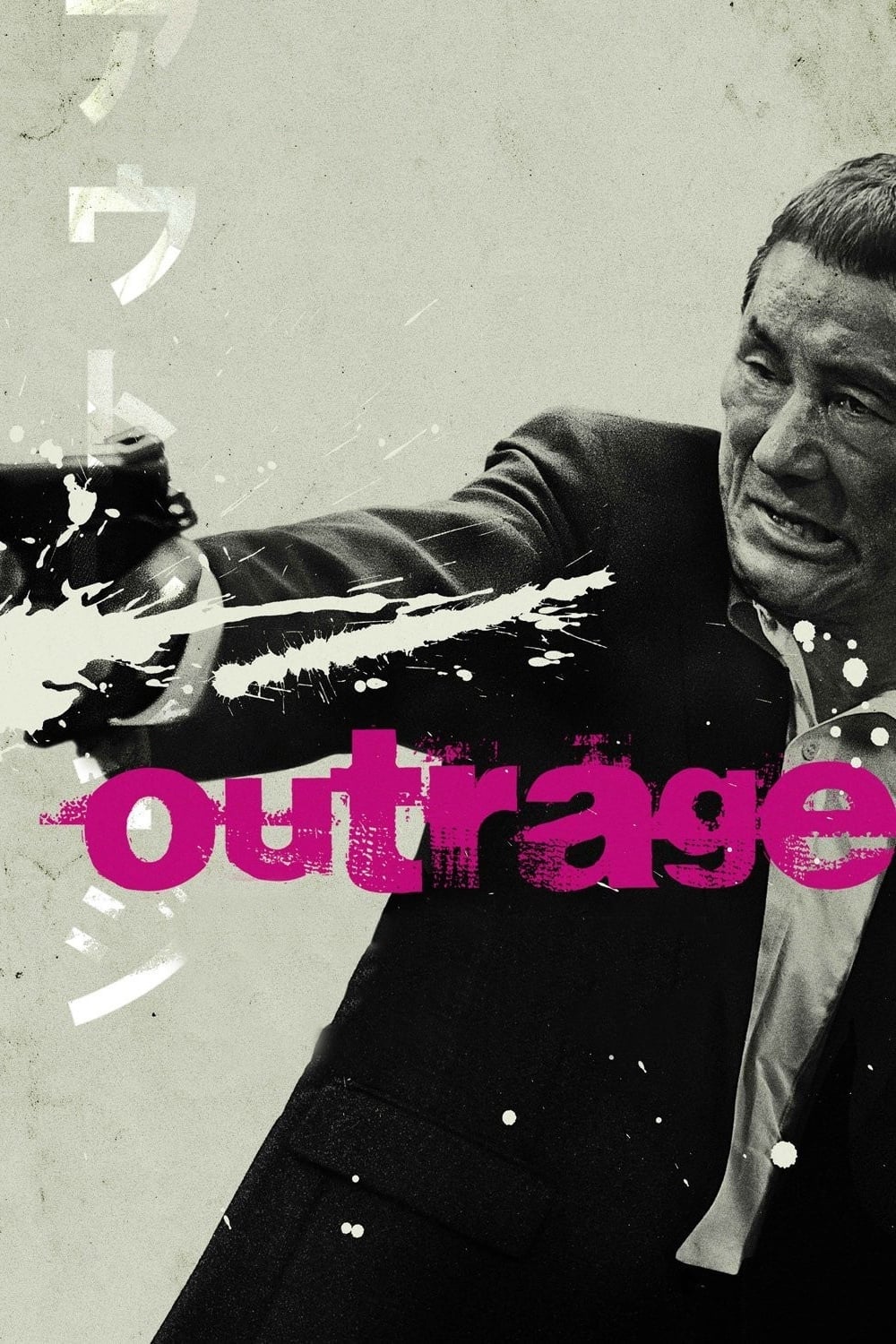
Outrage (2010) character relationship network mapped with AI analysis. Explore the connections, alliances, and conflicts between characters.
Characters
Otomo
(played by Takeshi Kitano) — protagonist
Ruthless yakuza enforcer turned boss, central figure of the trilogy.
Kato
(played by Tomokazu Miura) — supporting
Sekiuchi's chief lieutenant, ambitious underboss of Sanno-kai.
Ikemoto
(played by Jun Kunimura) — supporting
Yakuza leader targeted by Kato for disloyalty.
Kimura
(played by Hideo Nakano) — minor
Rival yakuza boss who betrays Otomo.
Murase
(played by Renji Ishibashi) — supporting
Rival yakuza boss with territorial ambitions.
Canonical Relationships
Family, romantic, and professional connections based on plot evidence.
Kato → Otomo
(Professional Operational Chain) — Kato's directive reaches Otomo through the Sanno-kai command chain.
Kato orders Ikemoto to handle Murase-gumi, and Ikemoto passes that task to his subordinate Otomo.
Murase → Kimura
(Professional Boss And Chief Lieutenant) — Kimura serves as the principal lieutenant of Murase's gang.
Kimura is identified as Murase's chief lieutenant.
Ikemoto → Otomo
(Professional Boss And Subordinate) — Ikemoto delegates the campaign against Murase to Otomo.
Ikemoto immediately passes the task of bringing Murase-gumi in line to his subordinate Otomo.
Kato → Ikemoto
(Power Underboss And Subordinate) — Kato uses Ikemoto to enforce Sanno-kai policy.
Kato, as Sanno-kai underboss, pulls Ikemoto aside and orders him to bring the Murase-gumi in line.
Story Dynamics
Alliances, conflicts, and narrative interactions that evolve throughout the story.
Kato → Murase
(Conflict Indirect Adversary) — Kato drives the campaign against Murase without confronting him directly at first.
Kato orders Ikemoto to bring Murase-gumi under control after Murase becomes viewed as an outside gang leader.
Otomo → Kimura
(Conflict Violent Adversaries) — Their feud culminates in mutual physical violence.
Otomo leaves vicious scars on Kimura's face, and Kimura later stabs Otomo twice in a prison ambush.
Otomo → Murase
(Conflict Gang Enemies) — Otomo deliberately escalates conflict against Murase's organization.
Otomo's operation plants a member at Murase's nightclub to help trigger an all-out gang war.
Ikemoto → Murase
(Social Former Prison Friends) — Their prison bond creates trust that is later exploited.
Ikemoto and Murase became friendly after being unexpectedly imprisoned together, and Murase relies on that former prison friendship.
Story Analysis
A chain of obedience, betrayal, and manufactured violence transforms a syndicate power struggle into a ruthless succession.
Plot Progression
A Command From Above
— A formal banquet reveals the hierarchy of the Sanno-kai. Kato pressures Ikemoto over Murase and orders action against the independent gang.
Manufactured Gang War
— Ikemoto transfers the assignment to Otomo, who uses a planted member to provoke Murase's nightclub. The staged shakedown turns hidden political pressure into open gang conflict.
Trust Becomes a Weapon
— Murase seeks help from his former prison friend Ikemoto, unaware that Ikemoto has been ordered to destroy him. Each accepted recommendation further strips Murase-gumi of strength and resources.
The Cost of Escalation
— Otomo scars Kimura as the conflict becomes increasingly personal. Murase and Ikemoto are killed, leaving Otomo and Kimura to carry the feud into prison.
A New Grand Leader
— Kimura ambushes Otomo with a makeshift knife in maximum-security prison. Meanwhile, Kato completes the larger power reversal by killing Sekiuchi and taking control of Sanno-kai.