Story Structure — 4 Plot Phases
Origins of Dissent
The documentary opens with the May 1960 HUAC hearings at San Francisco City Hall, marking the initial spark of the Free Speech Movement. Student activists begin organizing as the 1960s counterculture starts to take shape in Berkeley.
Key Events
-
HUAC Hearings at SF City Hall — May 1960 hearings mark the origins of the Free Speech Movement.
Location: San Francisco City Hall
-
Counterculture Emergence in Berkeley — The 1960s counterculture begins to take root in Berkeley.
Location: Berkeley, California
-
Student Mobilization Begins — Student activists organize and mobilize for free speech.
Location: UC Berkeley Campus
-
Archival Footage Compilation — Historical footage is gathered to frame the narrative.
Location: Documentary Archive
-
Free Speech Movement Origins — Early demands for free speech spark organized resistance.
Location: UC Berkeley Administration
Counterculture Ascendancy
As the movement gains momentum, cultural icons like Joan Baez and Allen Ginsberg join the cause, blending music and poetry with political activism. The student community expands, drawing inspiration from civil rights leaders like Martin Luther King Jr.
Key Events
-
Student Mobilization Begins — Student activists organize and mobilize for free speech.
Location: UC Berkeley Campus
-
Joan Baez Supports Movement — Folk singer joins activists, amplifying the movement's reach.
Location: Berkeley Streets
-
Civil Rights Influence Highlighted — Dr. King's footage underscores the civil rights foundation.
Location: Archival Footage
-
Ideological Debates Intensify — Activists debate strategies and political directions.
Location: Campus Forums
-
Community Building Efforts — Counterculture groups establish shared living and creative spaces.
Location: Berkeley Neighborhoods
Political & Cultural Clash
Tensions escalate as radical figures like Huey Newton and conservative authorities like Gov. Ronald Reagan enter the frame. The Grateful Dead provide a musical backdrop while protests intensify, leading to direct confrontations on campus.
Key Events
-
Radical Politics Emerge — Radical currents intersect with student activism.
Location: Berkeley Community
-
Grateful Dead Performances — The band provides the soundtrack to the cultural shift.
Location: Berkeley Venues
-
Governor Reagan's Opposition — Gov. Reagan clashes with the growing student movement.
Location: State Government
-
Media Coverage Expansion — The movement gains national attention through media.
Location: National Press
-
Cultural Soundtrack Solidifies — Music becomes the unifying force of the counterculture.
Location: Berkeley Clubs
Legacy & Reflection
The narrative culminates with the People's Park events in 1969, representing the peak of student activism. The film closes with historical reflection, Oscar recognition, and a dedication to Fred Cody, cementing the era's enduring impact.
Key Events
-
Governor Reagan's Opposition — Gov. Reagan clashes with the growing student movement.
Location: State Government
-
People's Park Development — Students transform land into a communal space in 1969.
Location: People's Park
-
Campus Protests Escalate — Tensions peak as authorities respond to park occupation.
Location: UC Berkeley
-
Movement Legacy Established — The film reflects on the enduring impact of the era.
Location: Historical Archives
-
Oscar Nomination Recognition — The documentary receives Academy Award recognition.
Location: Academy Awards
-
PBS POV Broadcast — The film airs on PBS, reaching a wider audience.
Location: Public Broadcasting
-
Fred Cody Dedication — The film honors Fred Cody for his community contributions.
Location: Film Credits
-
Political Pushback Increases — State authorities attempt to curb campus activism.
Location: State Capitol
-
Historical Reflection — The film concludes with a retrospective on the era's impact.
Location: Documentary Narration
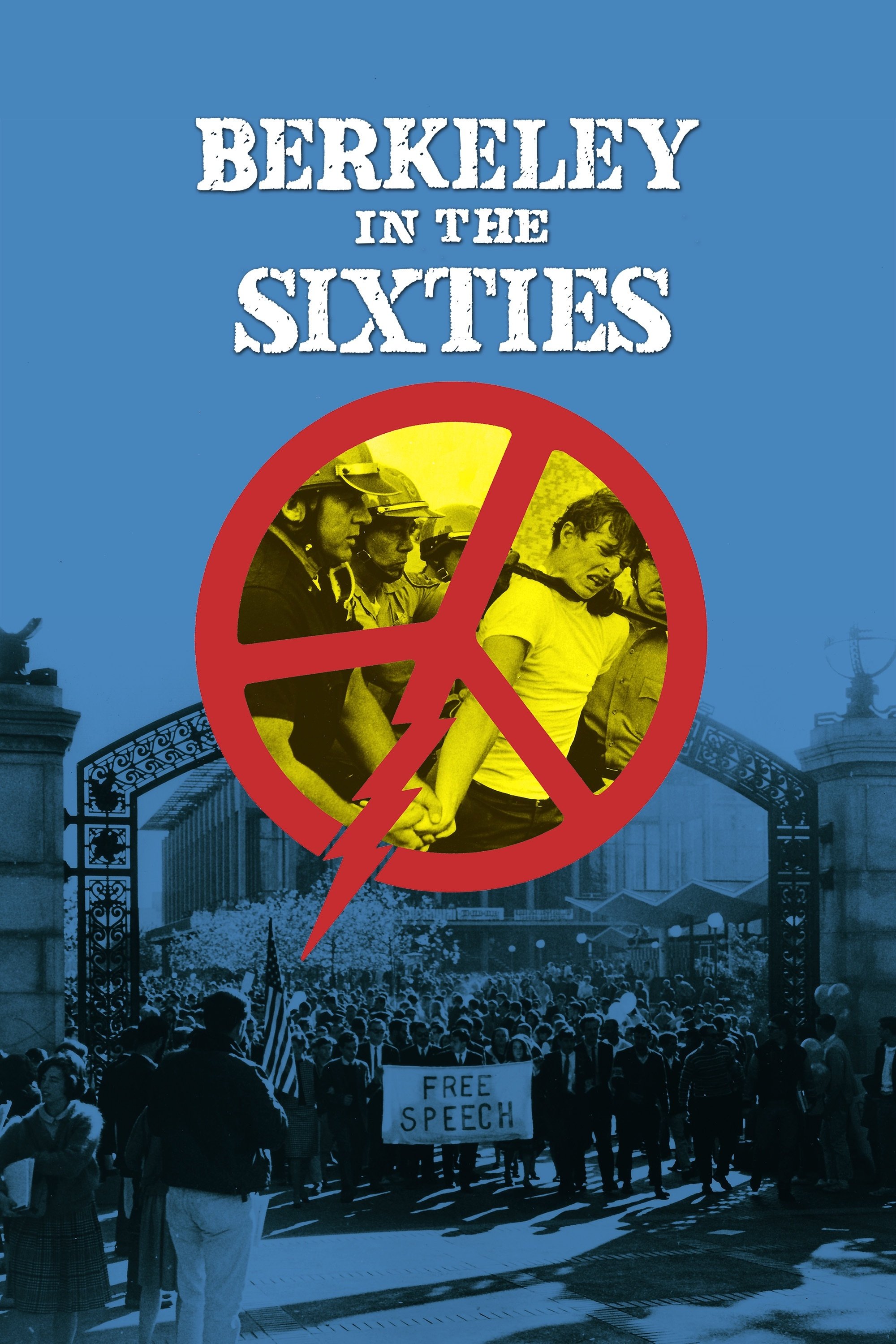
A documentary about militant student political activity at the University of California, Berkeley in the 1960s.