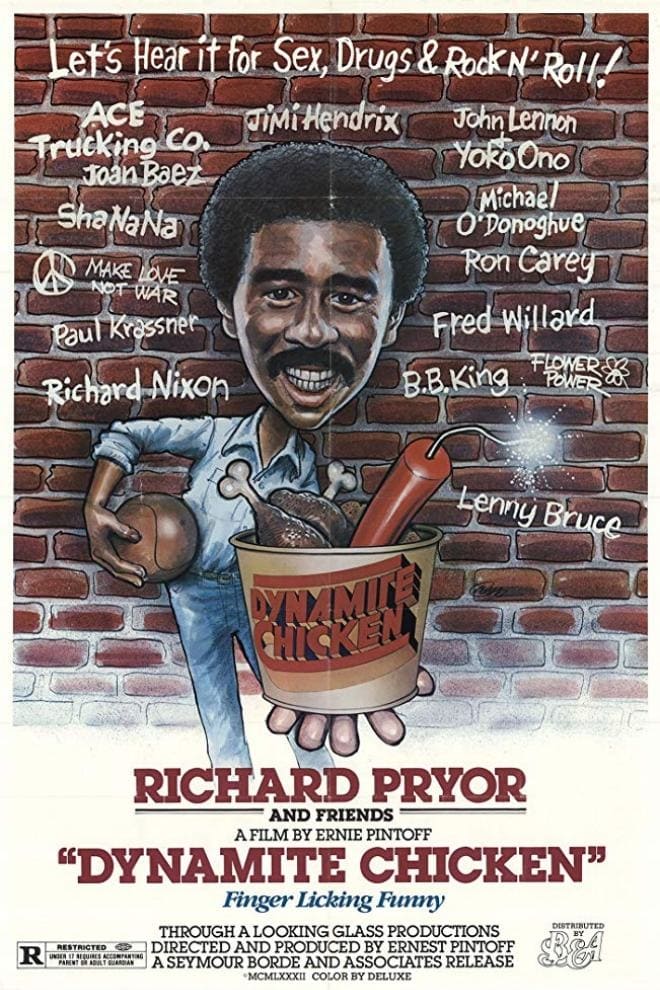
Plot Analysis Summary
A 1971 collage film capturing 1960s counterculture through improvised comedy, agitprop, and McLuhan-inspired media theory.
Story Structure — 5 Plot Phases
Electronic Magazine Concept
The film opens by establishing its format as an electronic magazine of American pop culture. Director Ernest Pintoff outlines his vision to capture contemporary hot-button issues through a collage approach.
Key Events
-
Opening Credits Format — Film introduces itself as an electronic magazine of American pop culture.
Location: Screen
-
Director's Vision — Pintoff envisions a collage capturing hot-button issues of the moment.
Location: Production Office
-
McLuhan Documentary Background — Pintoff draws inspiration from a previous NBC documentary about McLuhan.
Location: NBC Studio
-
Image Bombardment Theory — Director adopts McLuhan's theory to bombard audience with maximum information.
Location: Production Set
-
1969 Filming Begins — Core cast films original segments in 1969.
Location: Studio
-
Electronic Magazine Concept — Concept of presenting film as an electronic magazine.
Location: Production Office
-
McLuhan Theory Integration — Director integrates McLuhan's media theories into editing.
Location: Editing Room
1969 Improvised Shoot
Original segments featuring Richard Pryor, Paul Krassner, and Ace Trucking Company are filmed in 1969. The performers deliver mostly improvised stand-up comedy and countercultural sketches.
Key Events
-
1969 Filming Begins — Core cast films original segments in 1969.
Location: Studio
-
Improvised Comedy Shoot — Performers deliver mostly improvised stand-up and countercultural sketches.
Location: Studio
-
Peace Movement Agitprop — Segments focus on agitprop relating to the peace movement.
Location: Studio
-
Improvisation Technique — Pryor relies on improvisation for comedic effect.
Location: Studio
-
1969 Production Era — Filming takes place during the late 1960s counterculture wave.
Location: Studio
-
McLuhan Theory Integration — Director integrates McLuhan's media theories into editing.
Location: Editing Room
-
Stand-up Comedy Segment — Pryor performs stand-up comedy routines.
Location: Studio
Collage Assembly and Theory
Pintoff edits the footage into a stream-of-consciousness free-form structure. Archival footage of celebrities and repurposed trailers are integrated to bombard the audience with images.
Key Events
-
Peace Movement Agitprop — Segments focus on agitprop relating to the peace movement.
Location: Studio
-
Stream-of-Consciousness Editing — Director assembles footage into a free-form structure.
Location: Editing Room
-
Archival Footage Integration — Archival footage of major celebrities is peppered throughout.
Location: Editing Room
-
Peace Movement Focus — Segments highlight anti-war and peace movement themes.
Location: Studio
-
Pop Culture Satire — Krassner delivers satirical commentary on pop culture.
Location: Studio
Political and Cultural Commentary
The film highlights agitprop relating to the peace movement and satirical pop culture critiques. These segments reflect the McLuhan-inspired approach to imparting maximum information.
Key Events
-
Archival Footage Integration — Archival footage of major celebrities is peppered throughout.
Location: Editing Room
-
Repurposed Trailers — Repurposed film trailers are added to the collage.
Location: Editing Room
-
Budget Constraints — Total production budget recorded at $225,000.
Location: Production Office
-
No Explicit Message — Pintoff states there is no message except his personal viewpoint.
Location: Interview Set
-
Agitprop Distribution — Agitprop segments aim to distribute political messages.
Location: Screen
Director Reflection and Release
Pintoff discusses the $225,000 budget, the lack of a single message, and the origin of the silly title. The film concludes as a reflective snapshot of 1960s counterculture.
Key Events
-
No Explicit Message — Pintoff states there is no message except his personal viewpoint.
Location: Interview Set
-
Title Origin Story — Director explains the silly title derived from an overheard phrase.
Location: Interview Set
-
Audience Response Hope — Pintoff expresses hope for audience response and enjoyment in making it.
Location: Interview Set
-
Final Collage Assembly — All segments are finalized into the complete electronic magazine.
Location: Editing Room
-
Cultural Snapshot — Film concludes as a snapshot of 1960s counterculture.
Location: Screen
-
Director's Enjoyment — Pintoff recalls having fun during the production process.
Location: Interview Set