Plot Analysis Summary
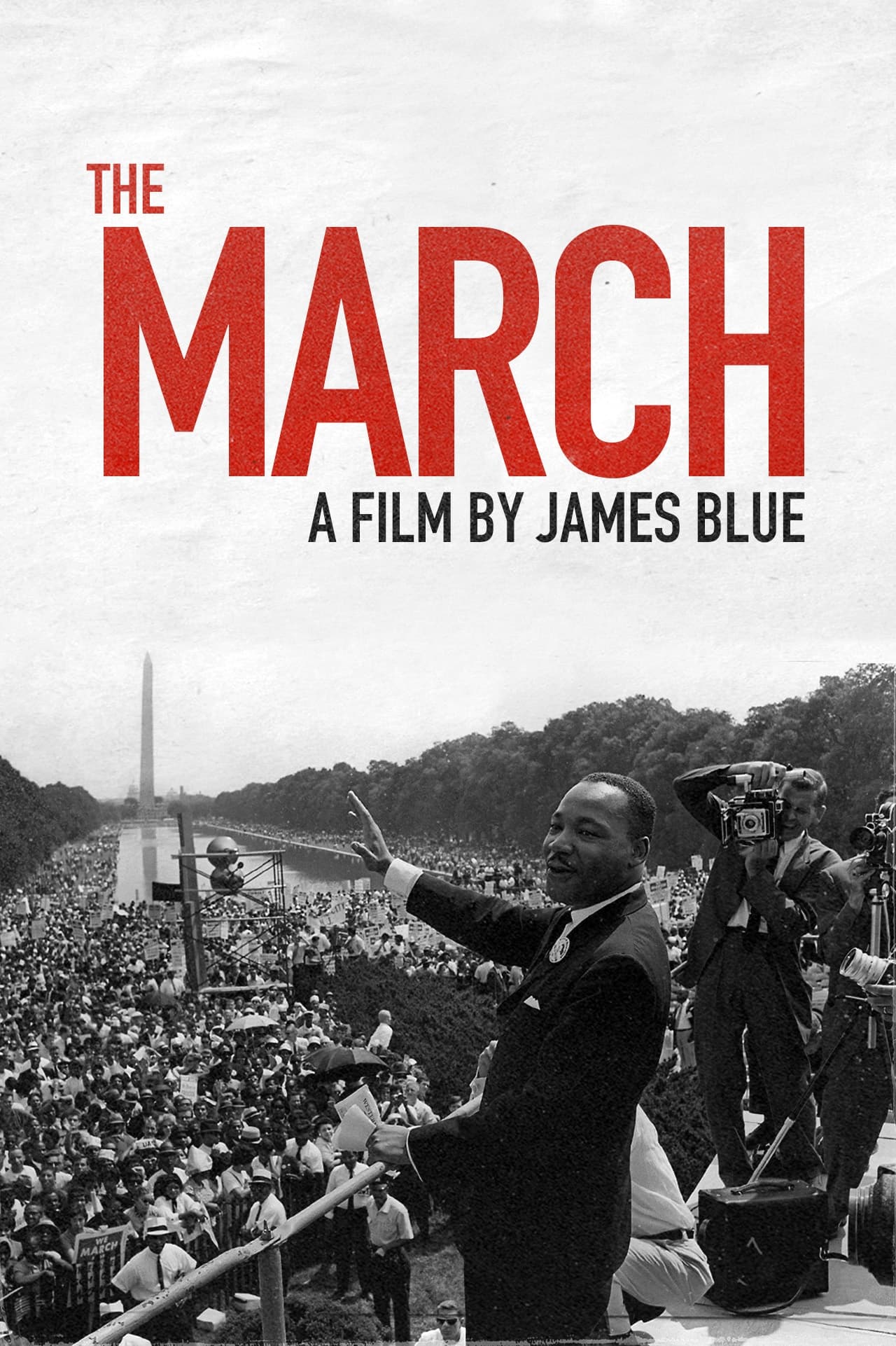
A historical documentary tracing the production, distribution, and preservation of a pivotal civil rights film.
Story Structure — 4 Plot Phases
Production & Legal Context
The documentary is commissioned by the USIA for international distribution. Director James Blue is assigned to capture the 1963 March on Washington. The Smith-Mundt Act immediately restricts domestic screening, establishing a legal barrier.
Key Events
-
Documentary Commission — Film commissioned for international distribution
Location: USIA Studio
-
Director Assignment — James Blue appointed to direct the project
Location: Production Office
-
Subject Selection — 1963 March on Washington chosen as focus
Location: Planning Meeting
-
Smith-Mundt Act Context — Domestic screening restrictions established
Location: Government Archive
March Documentation
Crew members gather extensive footage of the historic gathering and speeches. The film integrates broader civil rights context to frame the event. Editing transforms raw material into a cohesive historical narrative.
Key Events
-
Footage Collection — Archival and live march footage gathered
Location: Washington D.C.
-
March Event Depiction — Documentary captures the historic gathering
Location: National Mall
-
Speech Recording — Key addresses and crowd reactions filmed
Location: Lincoln Memorial
Distribution & Policy Shifts
The completed film is released internationally while remaining banned domestically. Decades later, Congress revisits the Smith-Mundt Act restrictions. Legislative action finally authorizes US exhibition in 1990.
Key Events
-
Civil Rights Context — Broader movement background integrated
Location: Historical Sites
-
Editing Process — Raw footage structured into narrative
Location: Film Studio
-
International Release — Documentary distributed outside the US
Location: Foreign Theaters
-
Domestic Ban Enforcement — Restrictions prevent American screenings
Location: US Distribution Network
-
1990 Policy Change — Congress authorizes domestic exhibition
Location: Congressional Chamber
Historical Preservation
Domestic audiences finally view the documentary, sparking cultural assessment. The Library of Congress evaluates its historical and aesthetic merit. The film is officially preserved in the National Film Registry in 2008.
Key Events
-
1990 Policy Change — Congress authorizes domestic exhibition
Location: Congressional Chamber
-
US Screening Launch — Film finally reaches domestic audiences
Location: American Cinemas
-
Cultural Assessment — Historical and aesthetic value evaluated
Location: Academic Review
-
Library of Congress Review — Official review for historical significance
Location: National Archive
-
Registry Nomination — Film selected for cultural preservation
Location: Registry Office
-
2008 Preservation Status — Officially added to the registry
Location: National Film Registry
-
Archival Storage — Master copies secured for future generations
Location: Film Vault
-
Educational Distribution — Documentary used for historical instruction
Location: Schools & Libraries
-
Legacy Consolidation — Film cemented as vital civil rights document
Location: Cultural Memory