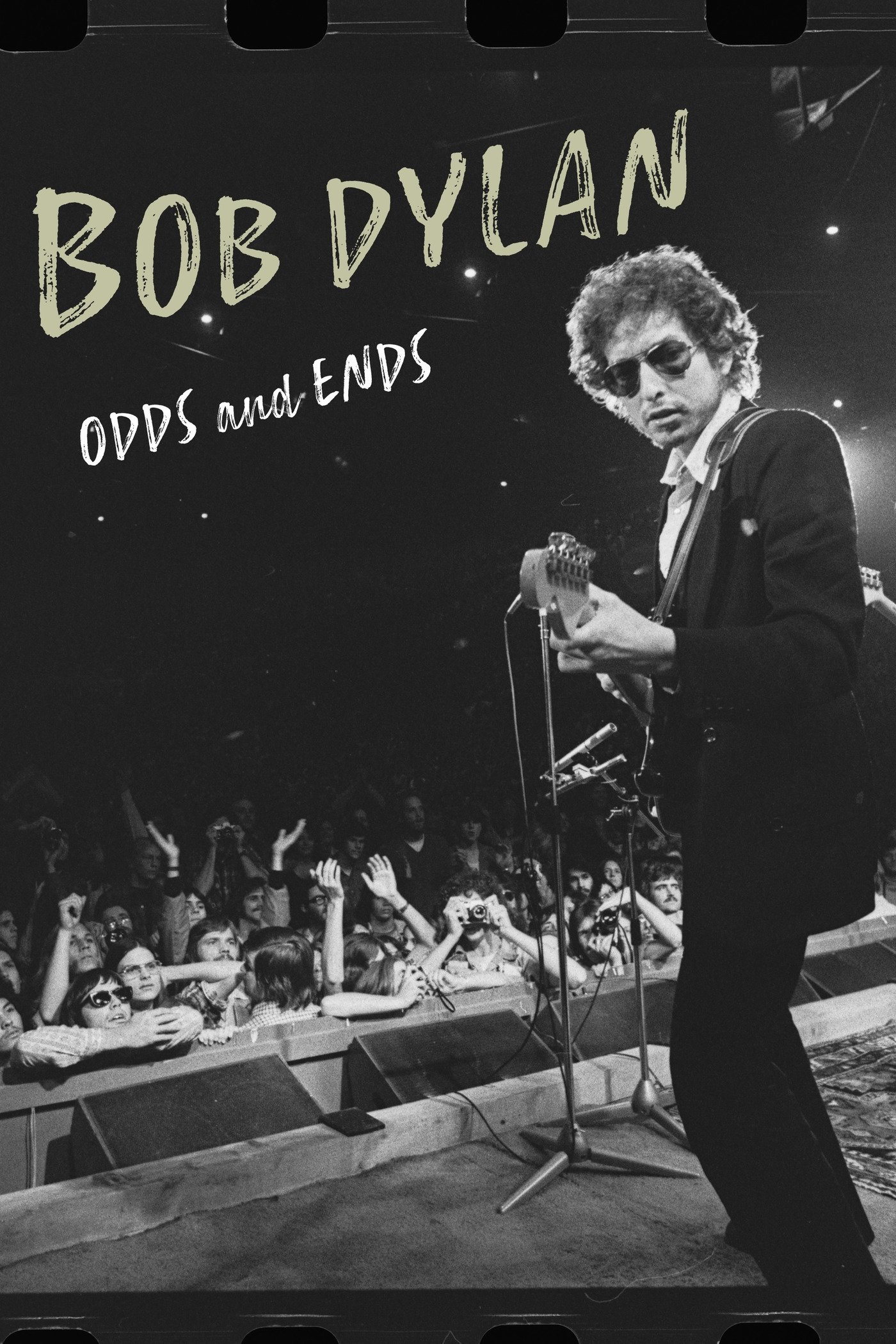
Plot Analysis Summary
The documentary traces creative change across recording sessions, performances, and albums, emphasizing the tension between an artist's changing direction and audience expectations.
Story Structure — 4 Plot Phases
Finding a Place in the Village
The film recalls the uncertain folk scene in the 1960s Village. A former manager describes trying to build a fast-talking performer's career, while an emerging musician is portrayed as new to the scene and still finding direction.
Key Events
-
Village Folk Scene Recalled — The documentary recalls the uncertain folk-music world of the 1960s Village scene.
Location: Greenwich Village
-
A Manager Remembers — A former manager recalls working closely with a fast-talking performer and trying to build his career.
Location: Greenwich Village
-
An Emerging Musician Arrives — The account describes an emerging musician as new to the Village and still finding his direction.
Location: Greenwich Village
Experimenting in the Studio
The account follows three albums recorded between 1965 and 1966. Studio excerpts show songs and arrangements taking shape through experimentation, with the artist searching for a sound rather than following a fixed plan.
Key Events
-
Three Albums Recorded — Between 1965 and 1966, the musician records three albums that many believe changed modern music.
Location: Recording studio
-
Songs Take Shape — Studio excerpts and commentary trace songs developing through experimentation with performances and arrangements.
Location: Recording studio
-
A Sound in Progress — The recordings portray an artist searching for a sound instead of following a fixed plan.
Location: Recording studio
Electric Music and Basement Songs
A sound engineer recalls the practical challenge of recording an electric-band performance in Paris. The film then turns to loose basement sessions whose songs later circulate as demos and bootlegs and reach wider audiences through other performers.
Key Events
-
Paris Recording Challenge — A sound engineer recalls preparing to record a Paris show with limited equipment and no established method for an electric band.
Location: Paris
-
Electric Band Pushes Forward — Forceful playing, especially the drummer's aggressive style, pushes the music in a new direction.
Location: Paris
-
Basement Sessions — The documentary explores songs recorded with a group of musicians in a basement.
Location: Basement
-
Loose Performances — The basement material is presented as loose and playful, rather than as a planned public album.
Location: Basement
-
Demos Reach Listeners — Songs from the sessions later circulate as demos and bootlegs, and other performers turn several into popular hits.
Location: Not specified
Albums Against Expectations
Self Portrait's emphasis on interpreting songs brings criticism from listeners expecting a return to an earlier image. Interviewees challenge that response, and New Morning is described as a comfortable change of direction rather than a hurried reaction.
Key Events
-
Self Portrait Changes Course — Self Portrait is described as an album built largely around interpreting songs rather than composing them.
Location: Not specified
-
Critics Reject the Shift — Some critics reject Self Portrait's change of pace, while interviewees argue listeners judged their expectations instead of the music.
Location: Not specified
-
New Morning Follows — New Morning is presented as a comfortable move into another kind of album, not a hurried response.
Location: Not specified
-
Expectations Reconsidered — The documentary closes by emphasizing continual change and the challenge each phase poses to audience expectations.
Location: Not specified