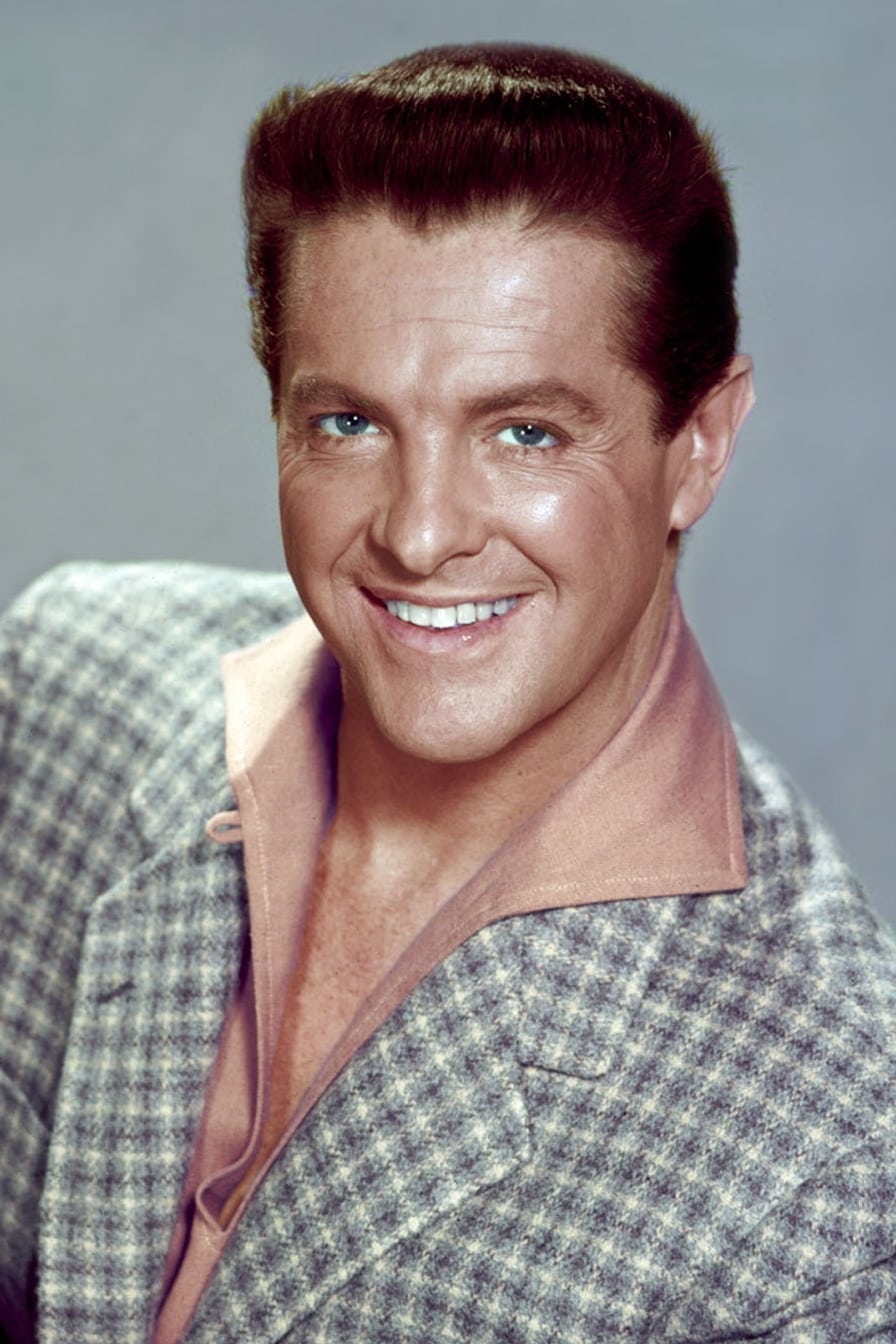
The lone initial holdout who votes not guilty. He systematically challenges the prosecution's evidence, including the uniqueness of the murder weapon, the reliability of witness testimony regarding noise and timing, and the mechanics of the stabbing. His methodical approach and willingness to discuss doubts drive the jury's reevaluation of the case.
Juror #7's casual attitude clashes with Juror #8's serious pursuit of justice.
The Foreman maintains procedural order, enabling Juror #8 to voice his dissent.
Juror #6 supplies a critical factual detail that undermines the prosecution's key witness.
Juror #4 represents rigid reliance on circumstantial evidence, directly challenged by Juror #8.
Juror #2 provides crucial logistical support for Juror #8's evidence testing.
Juror #3 serves as the primary antagonist, driven by personal bias and aggression against Juror #8.
Juror #9 becomes an early ally after being inspired by Juror #8's principled holdout.
Explore the full interactive character relationship map of Twelve Angry Men