Episode Guide
-
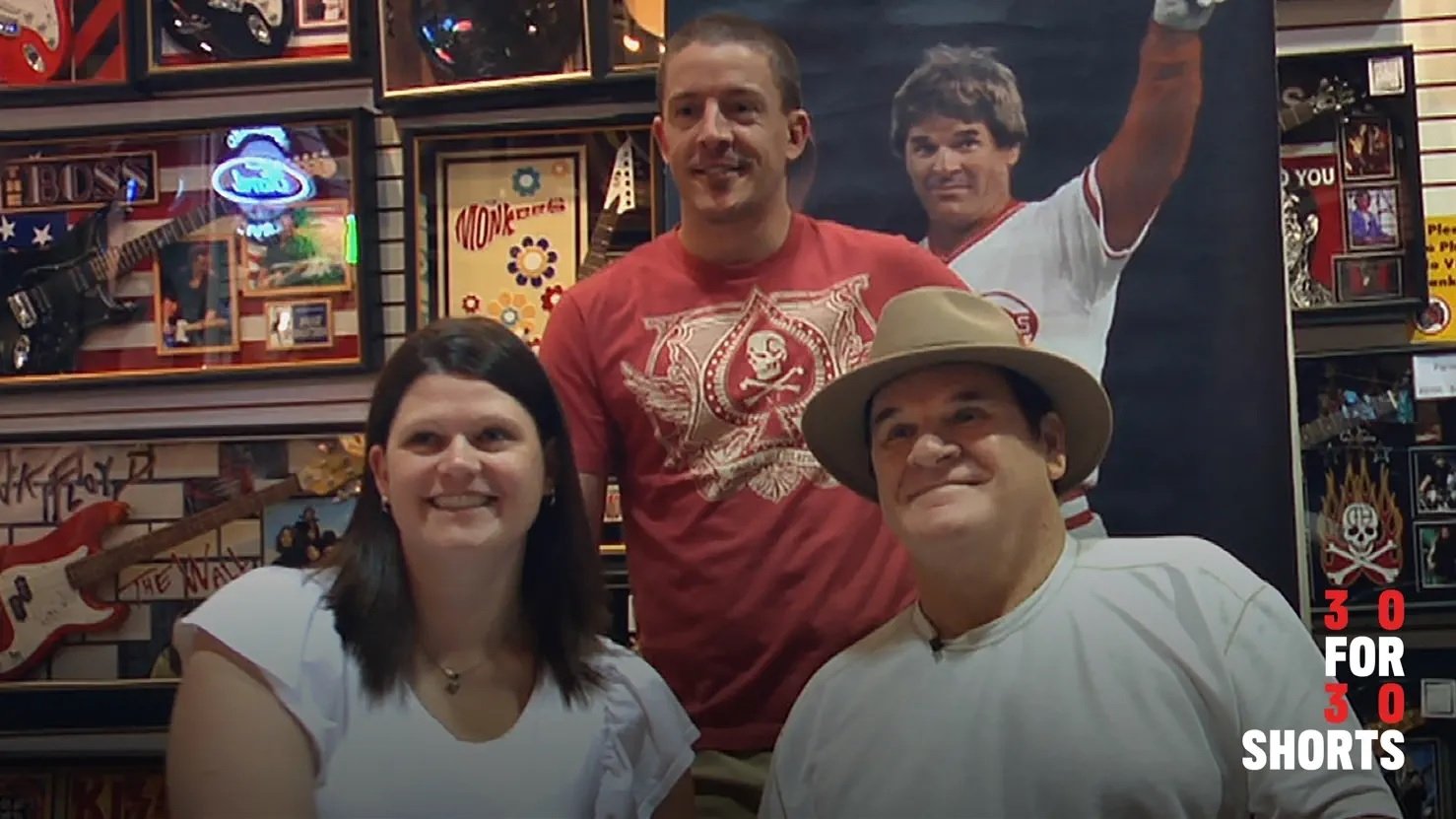
Here Now Everyday Pete Rose is surrounded by baseball memorabilia. But instead of a dugout, he's seated on a folding chair in a memorabilia store in Vegas.
-
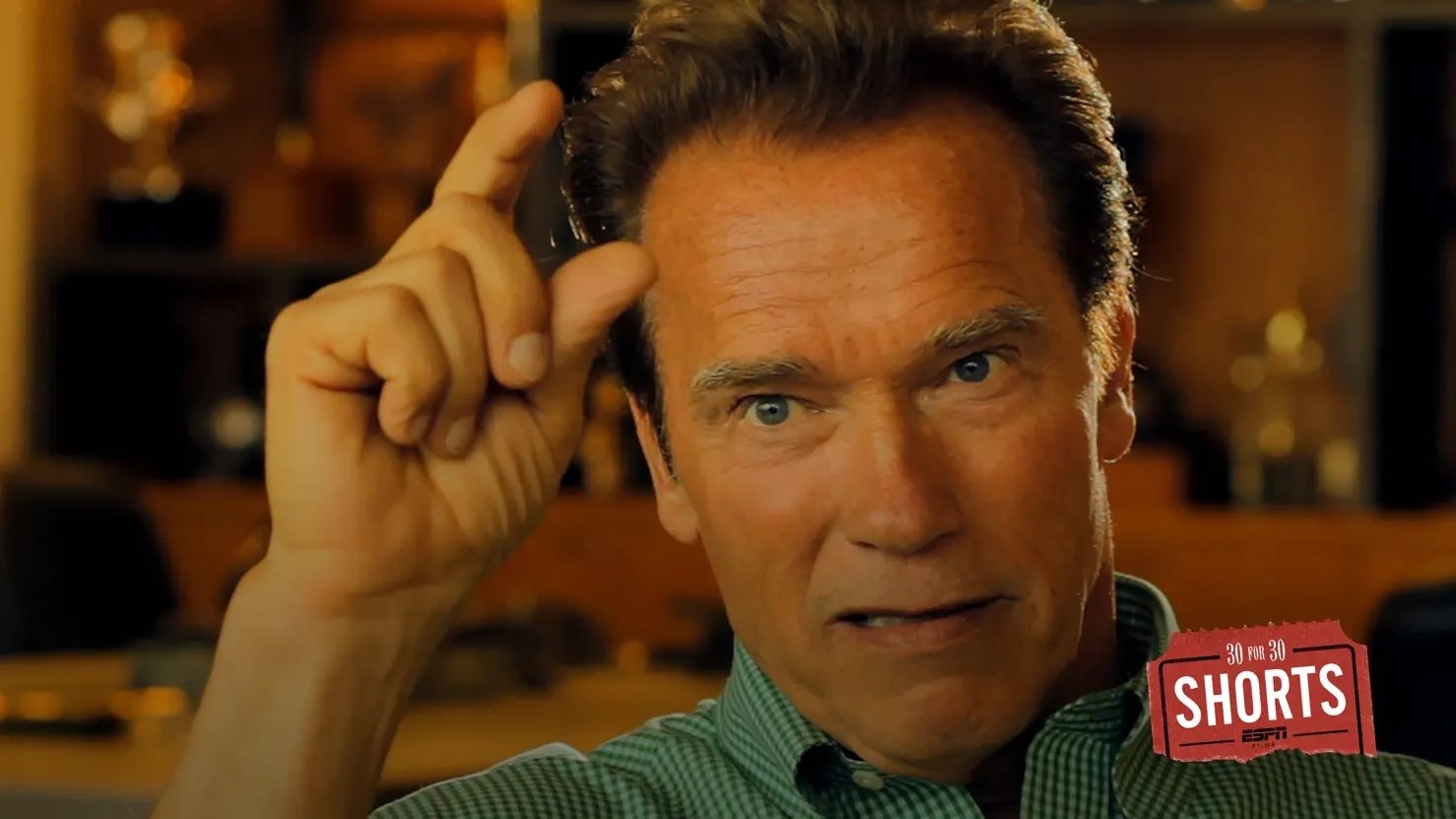
Arnold's Blueprint A look at how a young Arnold Schwarzenegger's compulsory service in the Austrian Army played a critical role in his path to international bodybuilding fame.
-
Jake The career of Alfred Slote, an author of sports-oriented children's books (Jake being his personal favorite) whose interest was not so much the games played but the drama that the characters encountered.
-
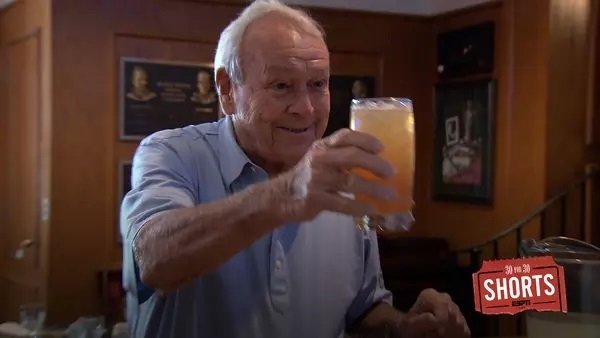
The Arnold Palmer An exploration into the history, mystery and industry surrounding "The Arnold Palmer", the lemonade-and-iced tea beverage created by the same-named golfing legend that has become a fixture of nineteenth hole lore and American leisure.
-
Ali The Mission The efforts of Muhammad Ali to negotiate with Iraqi leader Saddam Hussein for the release of U.S. civilians taken hostage after Iraq's 1990 invasion of Kuwait.
-
Disdain the Mundane The style evolution of New York Knicks player and broadcaster Walt Frazier, from his cool-as-ice look in the 1970s to his use of vibrant colors and patterns today.
-
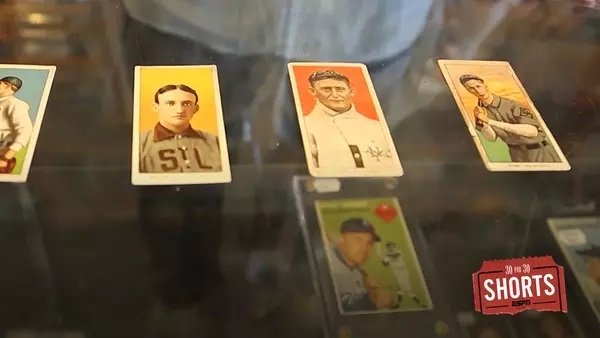
Holy Grail: The T206 Honus Wagner The story of the rare and valuable T206 Honus Wagner baseball card—over a century old and valued in the millions of dollars—and the myths and realities that surround it.
-
Silver Reunion The members of the 1972 USA men's Olympic basketball team gather to deliberate 12 Angry Men-style on whether to finally accept or continue to refuse silver medals from the 1972 Summer Olympics, where they controversially lost the gold medal game to the Soviet Union.
-
The Irrelevant Giant Bill Parcells recalls his rookie year as a head coach with the New York Giants in 1983 and the impact of John Tuggle, a running back the Giants selected with the final pick in that year's NFL draft.
-
Cutthroat The struggles of Clint Malarchuk, the "Cowboy Goalie", from a childhood spent riding horses and suffering from OCD to the grueling recovery period after his carotid artery was severed by an opponent's skate blade, one of the most gruesome injuries in sports history.
-
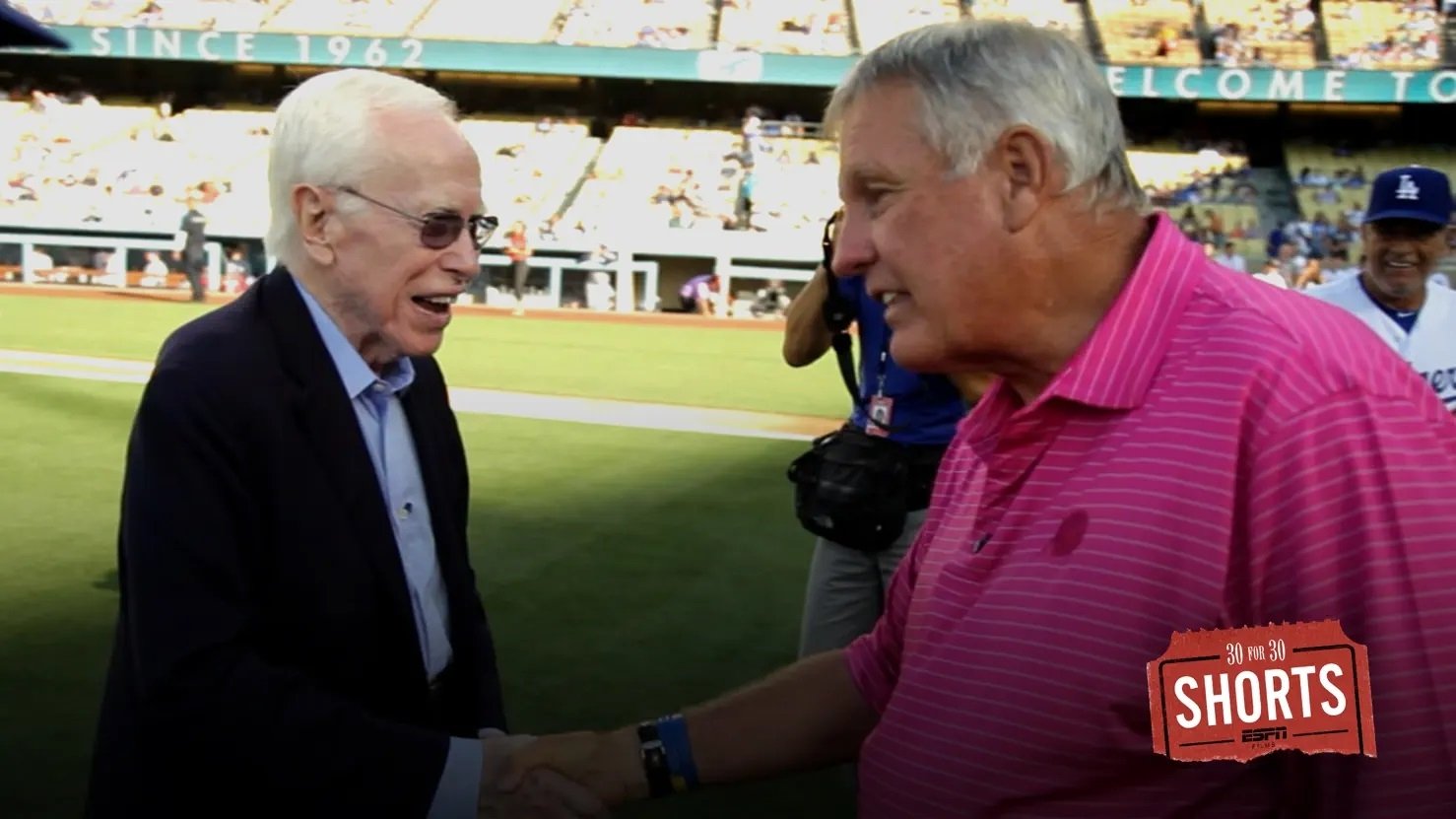
Tommy and Frank An intimate, funny and compelling take on the unique relationship and shared legacy of Tommy John, the chatty Indiana lefty who won nearly 300 Major League games, and Dr. Frank Jobe, the unassuming L.A. orthopedist who conceived and performed a revolutionary elbow operation on John in 1974.
-
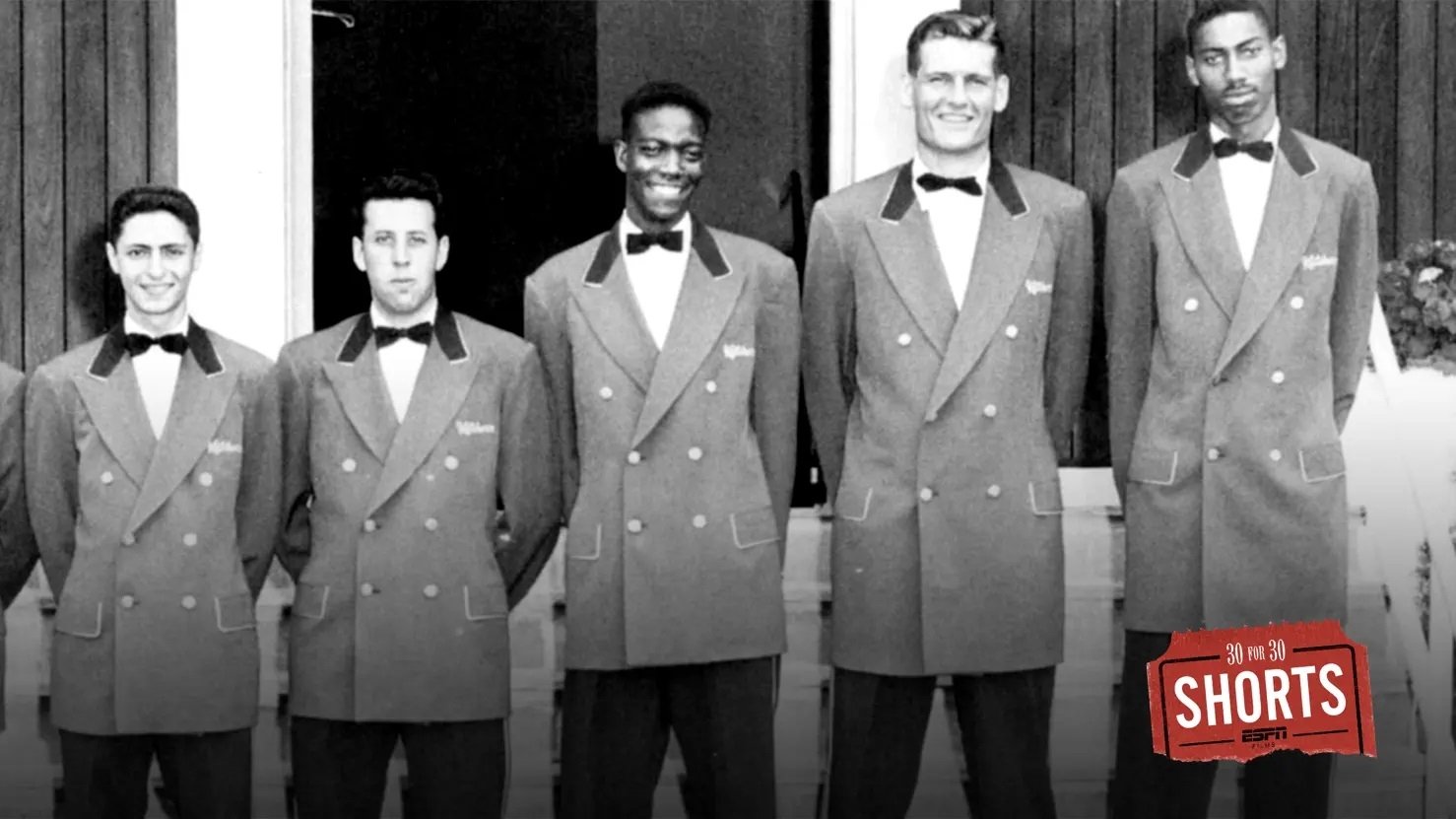
Wilt Chamberlain: Borscht Belt Bellhop Rarely seen archival footage and interviews with people who lived and worked with Wilt Chamberlain give a fascinating glimpse into the basketball star's experiences in the Borscht Belt during its heyday.
-
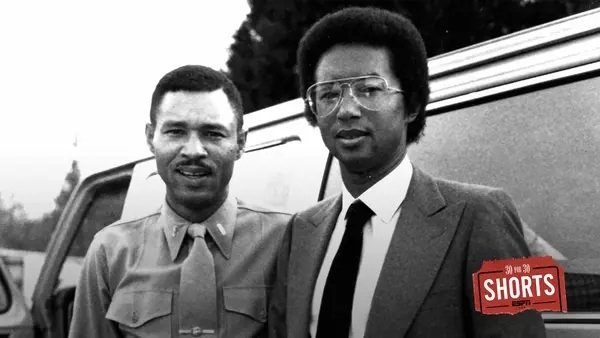
Arthur & Johnnie Johnnie Ashe tells of a personal sacrifice: After finishing a tour of service in the Vietnam War, Johnnie, a U.S. Marine, volunteers to serve another tour in place of his older brother, Army 2nd Lieutenant Arthur Ashe. Johnnie's selfless move allows Arthur to continue his budding tennis career.
-
Collision Course: The Murder of Don Aronow The intriguing life and tragic death of businessman Donald Aronow, a prominent name in the world of powerboat racing.
-
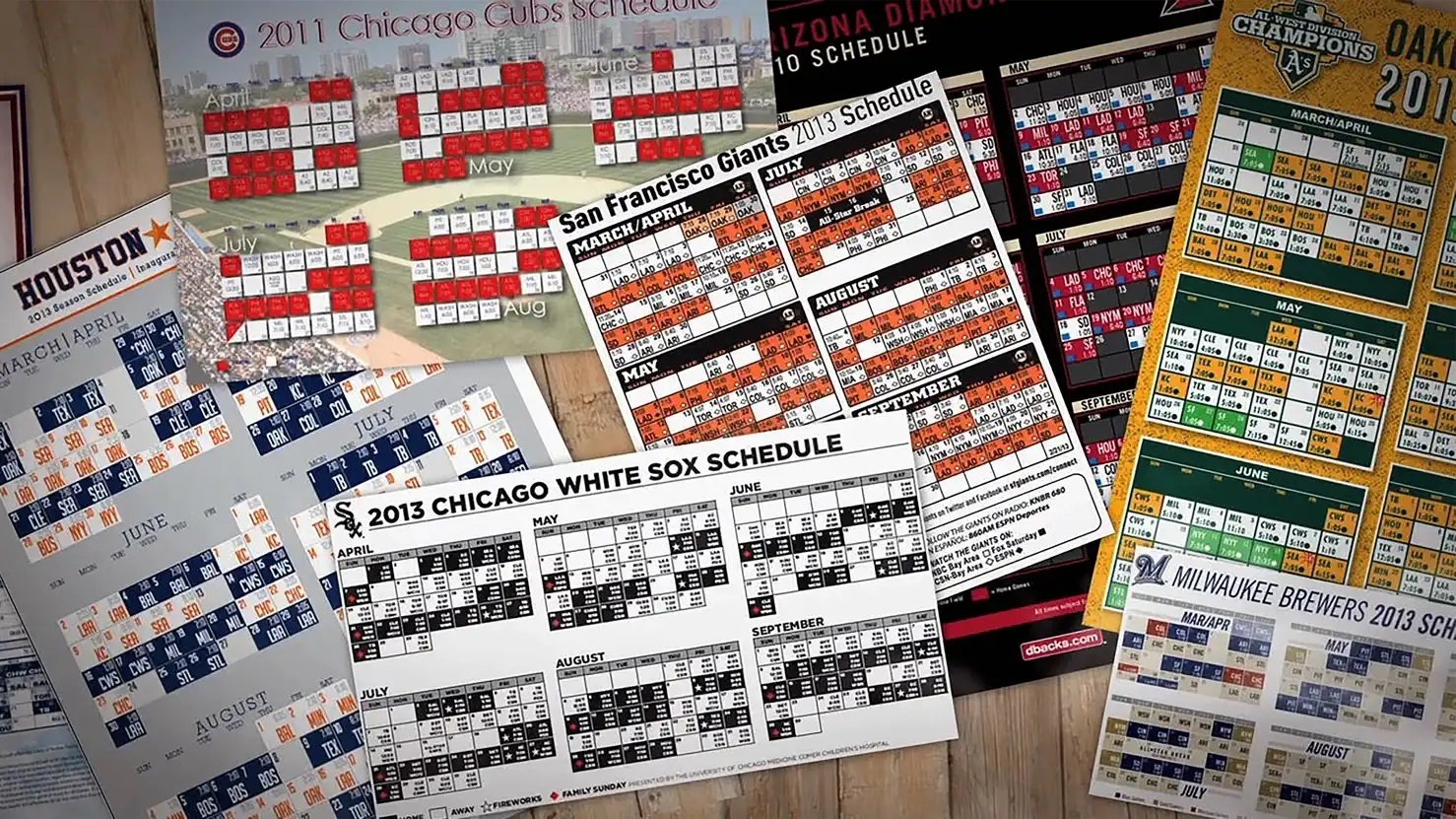
The Schedule Makers Using only a computer, a pencil and paper, and cooperation, the husband-and-wife duo of Henry and Holly Stephenson spent almost a quarter-century creating Major League Baseball's season schedule.
-
The Great Imposter Beginning with stealing a player's warm-up outfit and posing as a player at the 1979 NBA All-Star Game, Barry Bremen begins a playful run fulfilling the average sports fan's ultimate fantasy, sneaking into the fields of play to pose as players, golfers, game officials, and even a cheerleader.
-
Judging Jewell Security guard Richard Jewell received praise in the aftermath of a bombing during the 1996 Summer Olympics in Atlanta when he helped clear the area and found the bag that contained the pipe bomb. Praise turned into loss of honor when Jewell was wrongfully accused of planting the bomb in the ensuing investigation.
-
The Deal The battle between the Boston Red Sox and the New York Yankees to trade for Alex Rodriguez during the 2003–2004 baseball offseason.
-
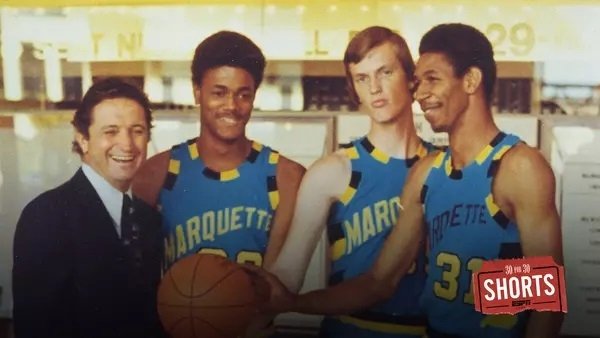
Untucked Player Bo Ellis designs a rebellious, nonconformist jersey that would exemplify the Al McGuire-era Marquette men's basketball team.
-
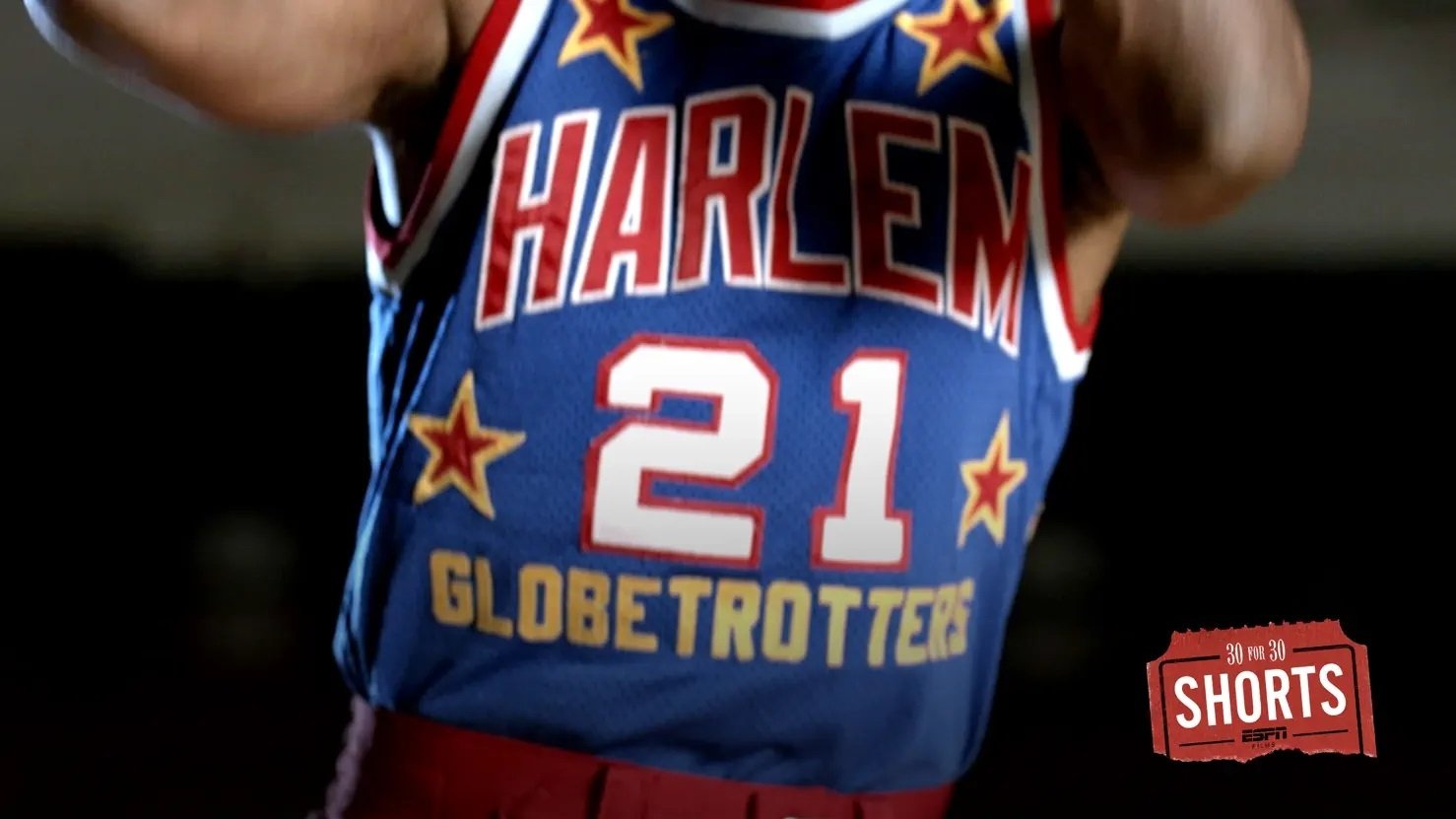
From Harlem With Love How the Harlem Globetrotters became unlikely ambassadors during the Cold War when they played a series of games in Moscow in 1959.
-
Posterized A profile of Shawn Bradley, a 7-foot-6 center who spent the majority of his NBA career on the wrong end of epic dunks (the kind usually found on posters), and how he went from a bust on the basketball court to a superstar off of it.
-
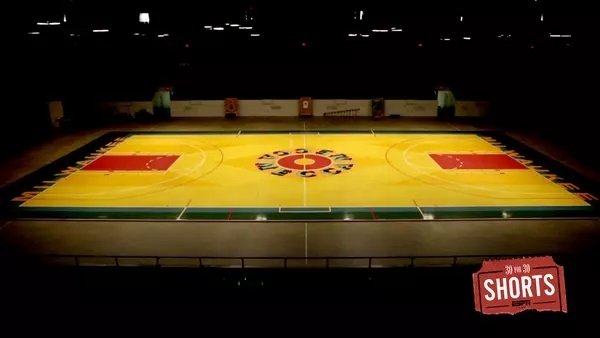
MECCA: The Floor That Made Milwaukee Famous The story behind the iconic, multicolored basketball court Robert Indiana designed for the MECCA Arena, home to the Milwaukee Bucks and Marquette Warriors until 1988, and how one Bucks fan used his family's credit card to rescue the floor from the scrap heap.
-
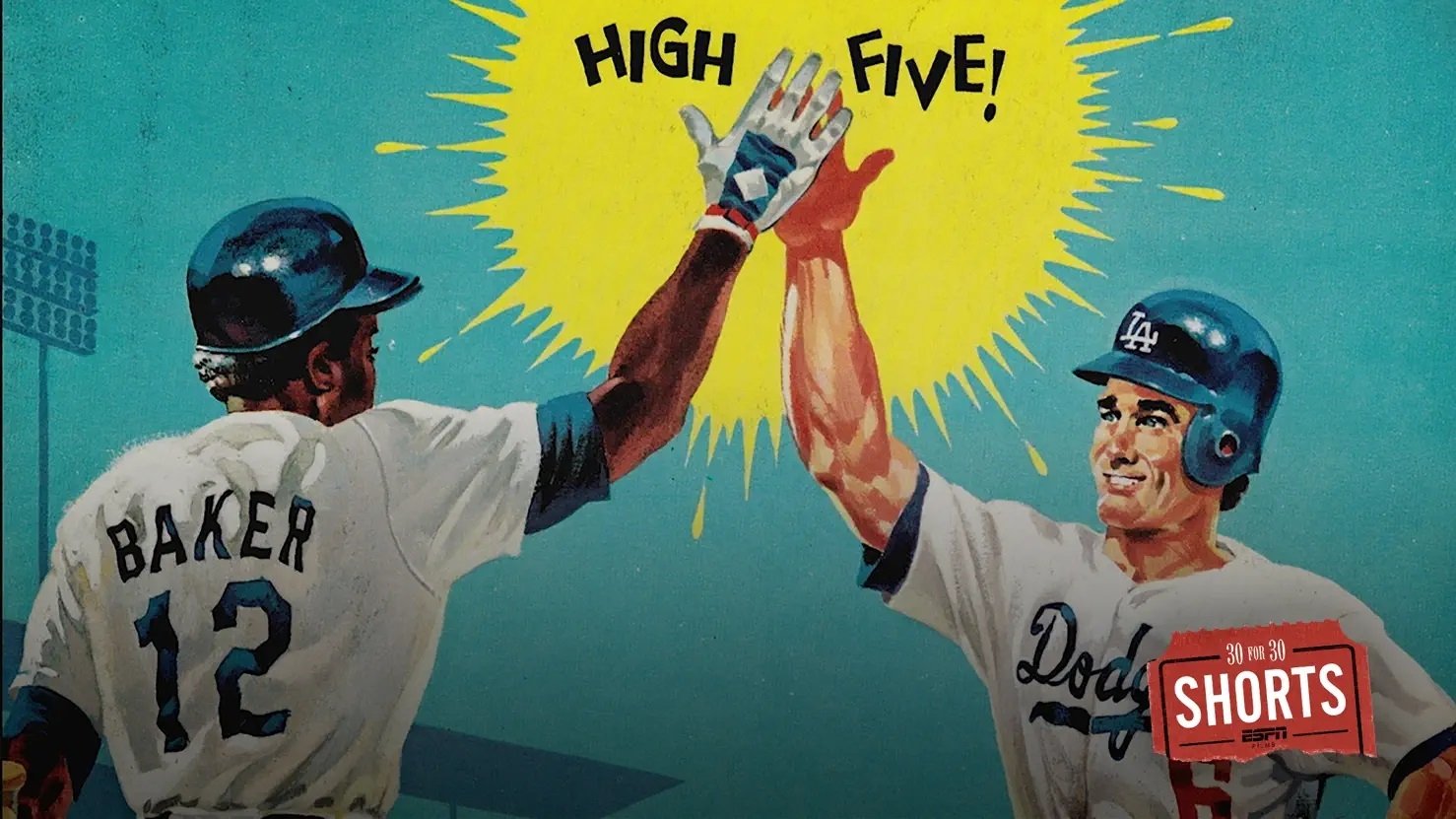
The High Five When L.A. Dodger Dusty Baker hit his 30th home run of the 1977 season, the first man to greet him at home plate was his friend and teammate, rookie Glenn Burke. Overcome with happiness, Burke did the first thing that came to mind—he put his hand straight in the air and had Baker slap it, thus in fact creating the high five gesture.
-

Kid Danny A team from The Bronx makes it to the 2001 Little League World Series, only to be disqualified when pitcher Danny Almonte is revealed to be two years too old to play in Little League.
-
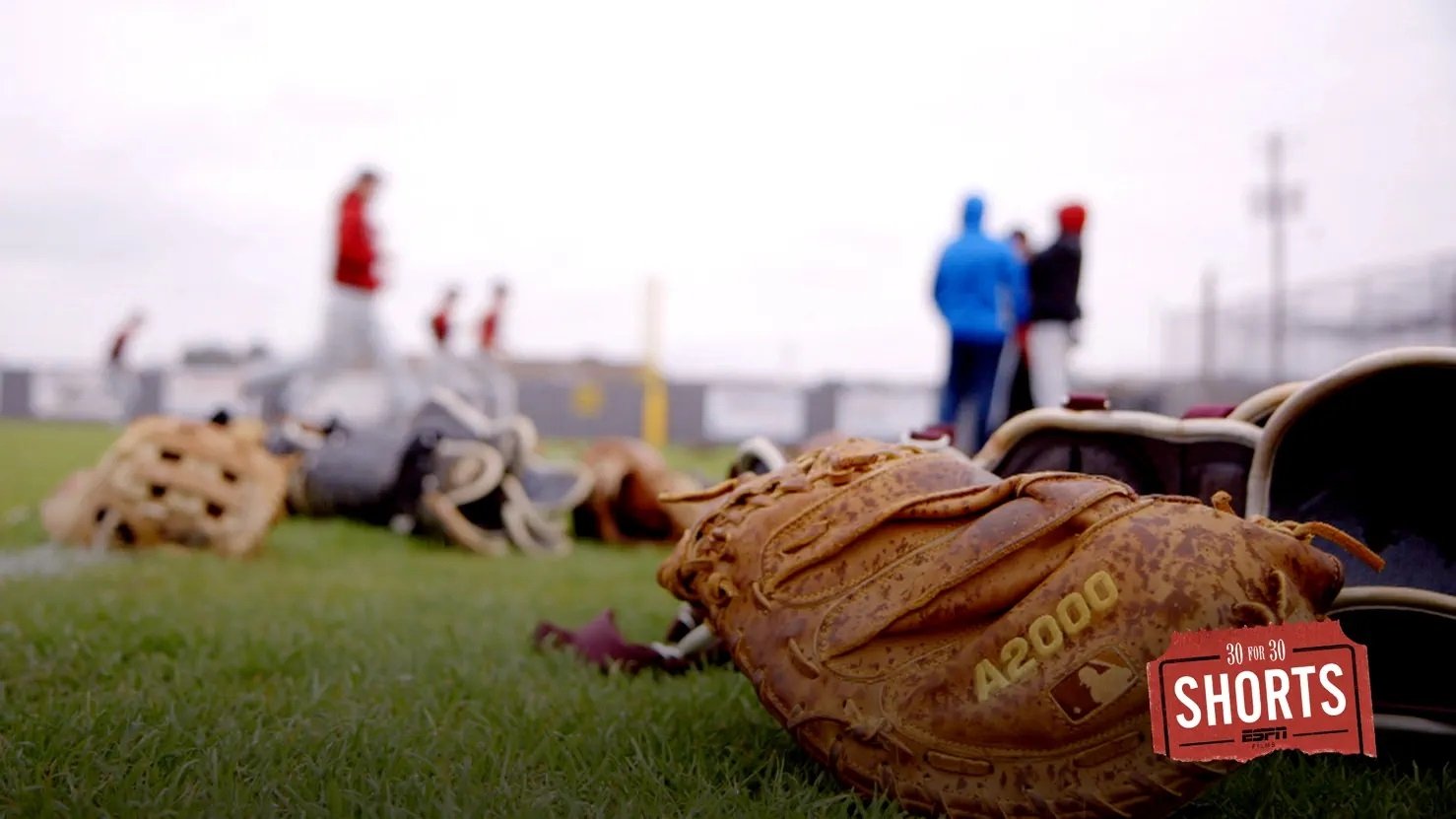
Fields of Fear A profile of the mental side of sports focuses on Mackey Sasser, a talented catcher who suddenly couldn't perform the routine task of throwing the ball back to the pitcher, and how confronting boyhood traumas helped in his mental recovery.
-
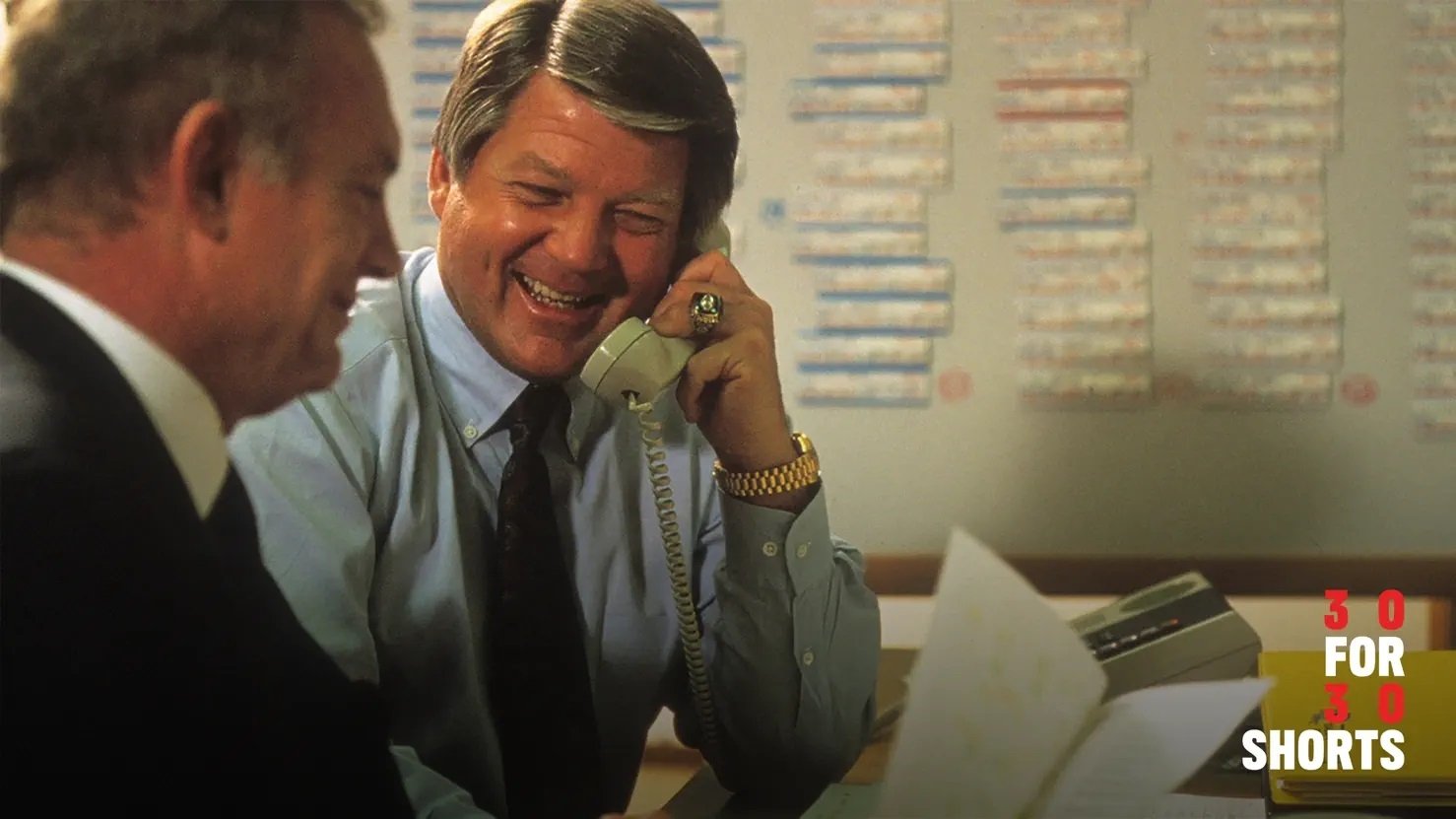
The Great Trade Robbery Former Dallas Cowboys head coach Jimmy Johnson recalls the team's October 1989 trade of Herschel Walker to the Minnesota Vikings, as well as the roster maneuvers involving the players the Cowboys received in return that laid the foundations for the team's success in the 1990s.
-
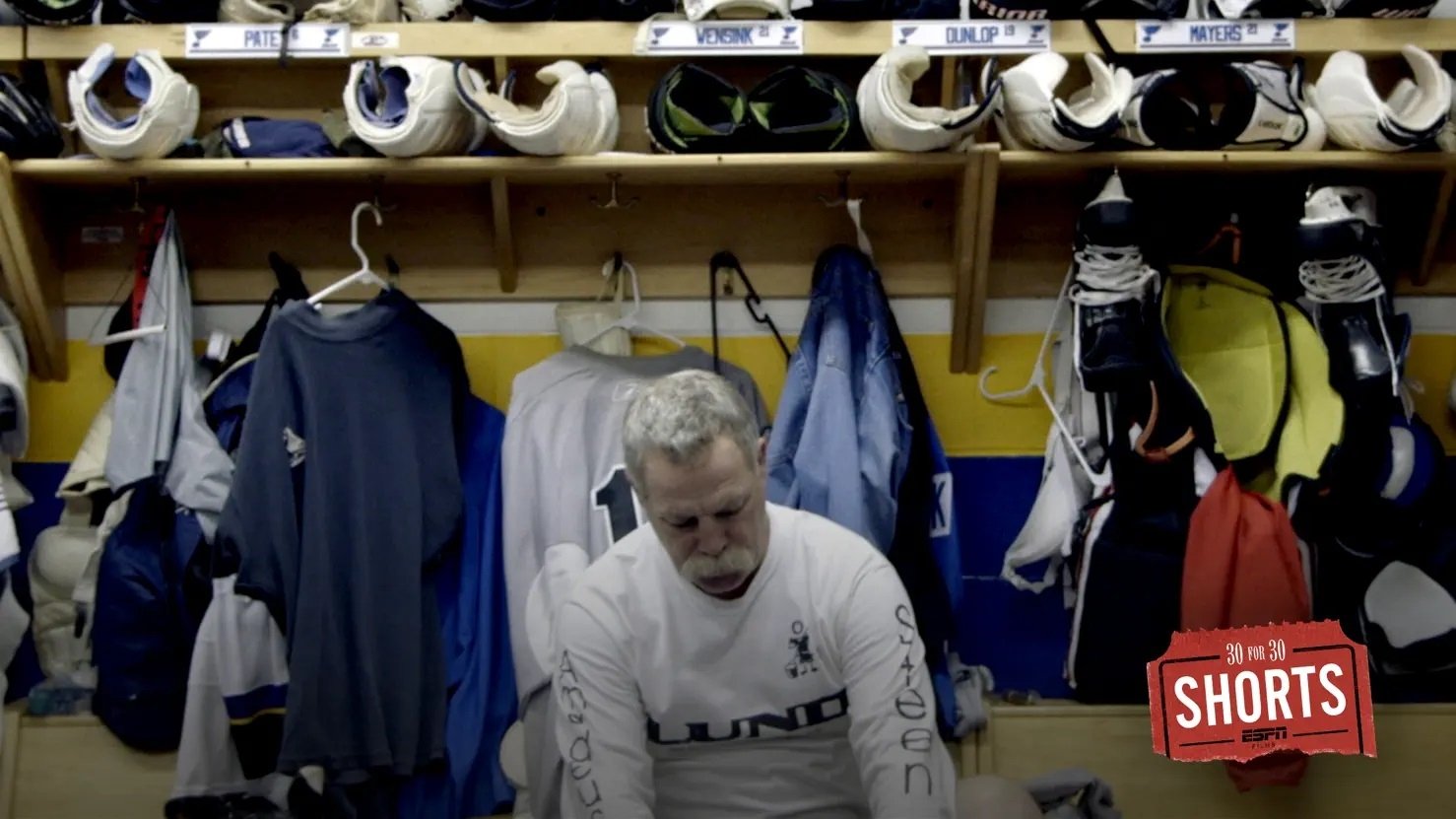
Our Tough Guy A look inside the mindset of legendary Boston Bruins enforcer John Wensink, who endeared himself to fans when he infamously challenged the entire Minnesota North Stars bench to a fight, and the journey his life took following his playing career.
-
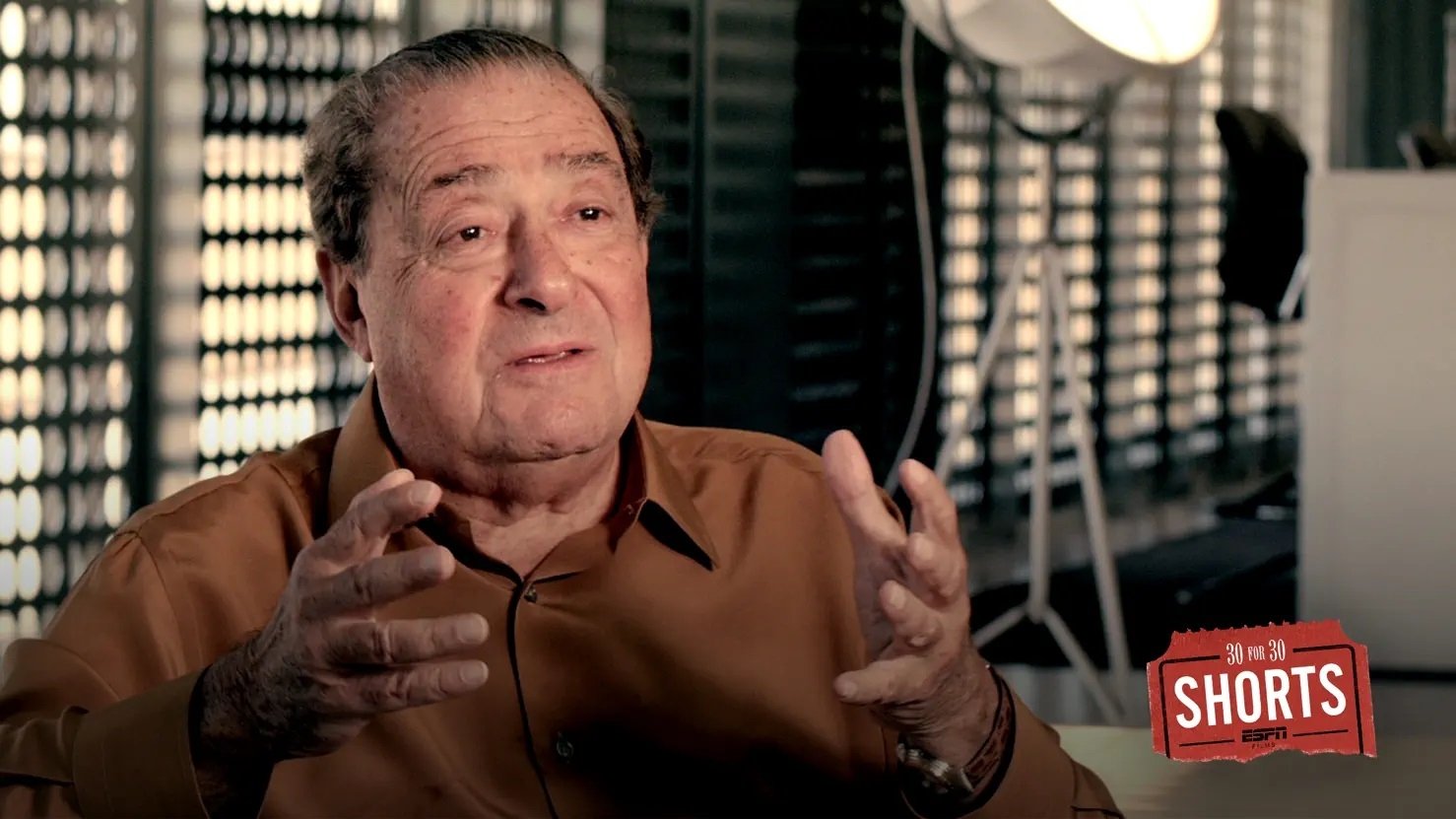
Robbed A look at the 1976 Muhammad Ali/Ken Norton fight at Yankee Stadium. The fight's controversial decision is only part of the story, as gang activity and theft in the wake of a NYPD strike was happening right outside the stadium's gates.
-
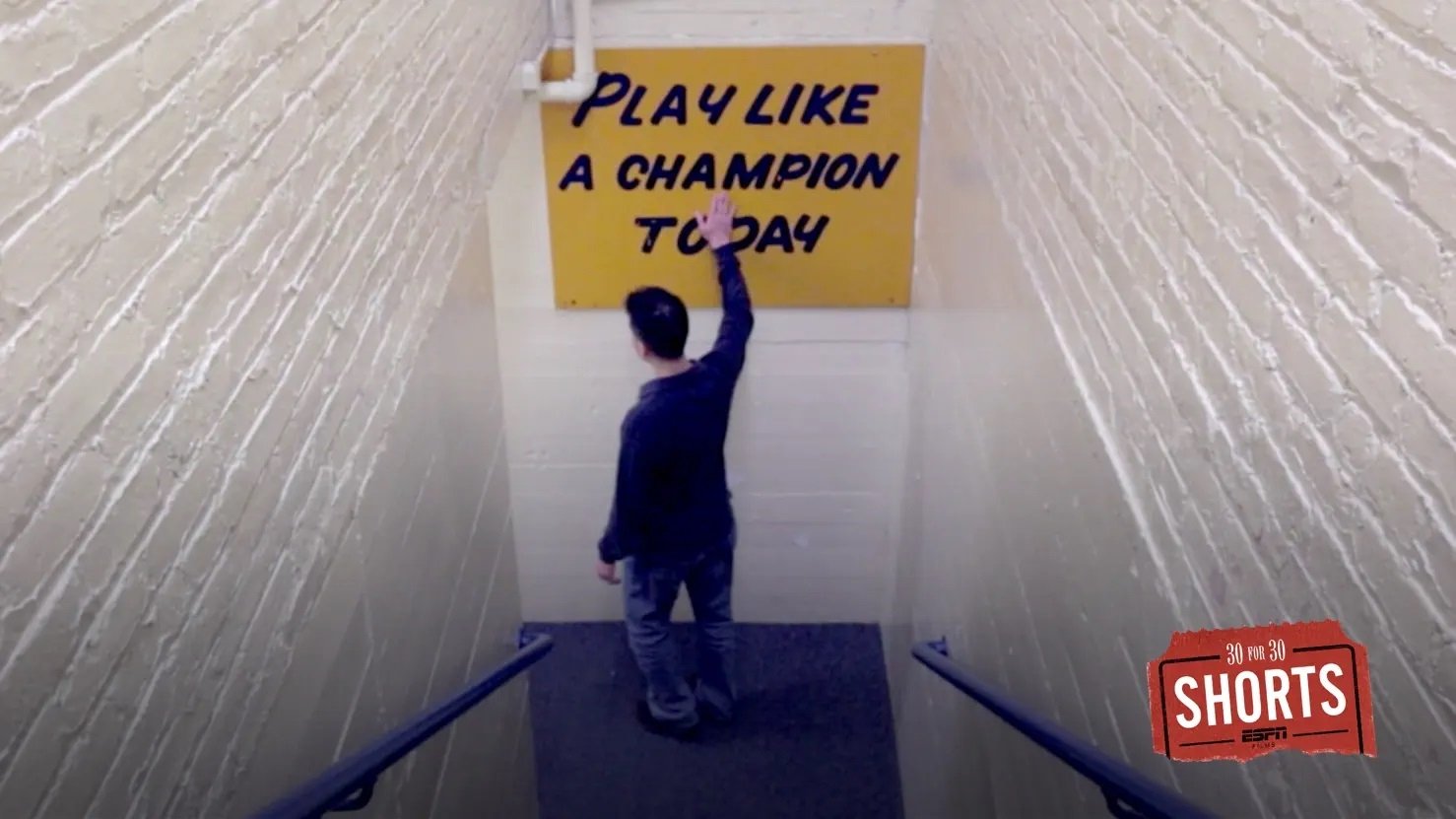
Student/Athlete Growing up in Hawaii, Reggie Ho always thought he would follow his father's footsteps into medicine, yet he becomes a crucial contributor to Notre Dame's undefeated 1988 season as a walk-on player.
-
The Sweat Solution Dr. Robert Cade, a renowned kidney specialist at the University of Florida, leads a research team that develops a drink designed to help replenish body fluids lost by the school's football team – a "magic elixir" that would later be called Gatorade.