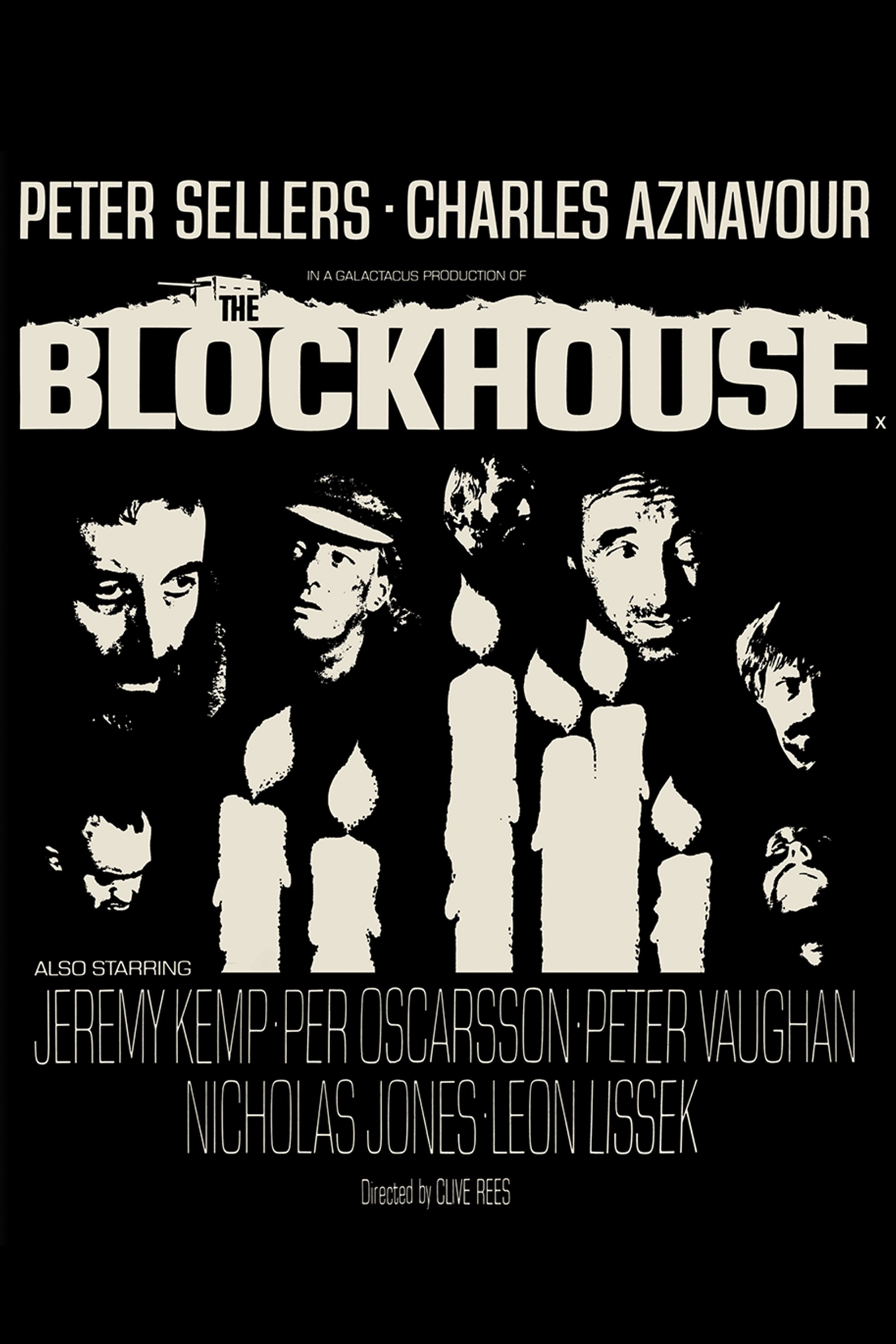
Plot Analysis Summary
A group of forced laborers gradually loses freedom, order, health, and stability while remaining trapped among abundant supplies underground.
Story Structure — 5 Plot Phases
Buried Beneath the Ruins
The forced laborers are trapped by a violent collapse and identify the survivors. Their first attempt to escape through a shaft fails because the underground passages are damaged and blocked.
Key Events
-
Workers Roused for Labor — The forced laborers are awakened and prepared for work. Characters: Rouquet, Visconti, Grabinski, Aufret, Lund, Kromer, Kozhek, Larshen
Location: Underground bunker
-
Violent Underground Collapse — A violent collapse traps the workers below ground. Characters: Rouquet, Visconti, Grabinski, Aufret, Lund, Kromer, Kozhek, Larshen
Location: Underground bunker
-
Survivors Call Names — The survivors call out and identify who remains alive. Characters: Rouquet, Visconti, Grabinski, Aufret, Lund, Kromer, Kozhek, Larshen
Location: Collapsed bunker passage
-
Escape Shaft Discovered — The prisoners find a shaft and attempt to descend through it. Characters: Rouquet, Grabinski, Aufret, Lund, Kromer, Kozhek
Location: Damaged underground passage
-
Blocked Descent — Damaged passages block the descent and injure one prisoner. Characters: Rouquet, Visconti, Grabinski, Aufret, Lund, Kromer, Kozhek, Larshen
Location: Escape shaft
The Storeroom Without Exit
The prisoners discover abundant food, wine, candles, and clothing in a storeroom. They consume the provisions, but every route to the surface remains sealed.
Key Events
-
Supply Storeroom Found — The group reaches a storeroom filled with food and supplies. Characters: Rouquet, Visconti, Grabinski, Aufret, Lund, Kromer, Kozhek, Larshen
Location: Underground storeroom
-
Fear of German Guards — Some fear punishment if German guards return for the provisions. Characters: Rouquet, Visconti, Grabinski, Aufret, Lund, Kromer, Kozhek, Larshen
Location: Underground storeroom
-
Supplies Are Consumed — Despite their fears, the prisoners begin eating and drinking. Characters: Rouquet, Visconti, Grabinski, Aufret, Lund, Kromer, Kozhek, Larshen
Location: Underground storeroom
-
Routes Prove Sealed — The prisoners search the complex but find no open route outside. Characters: Rouquet, Visconti, Grabinski, Aufret, Lund, Kromer, Kozhek, Larshen
Location: Underground complex
Time Loses Its Meaning
Grabinski counts candles while another prisoner measures days through his pulse. The group begins to accept that the bunker may be their permanent world.
Key Events
-
Candles Measure Time — Grabinski counts candles to estimate how long they have been trapped. Characters: Grabinski, Rouquet, Visconti, Aufret
Location: Underground storeroom
-
Pulse Measures Days — Another prisoner estimates passing days by measuring his pulse. Characters: Rouquet, Visconti, Grabinski, Lund
Location: Underground bunker
-
Permanent Entombment Feared — The group concludes that it may remain underground for a very long time. Characters: Rouquet, Visconti, Grabinski, Aufret, Lund, Kromer, Kozhek, Larshen
Location: Underground bunker
Authority in Collapse
Arguments over food, alcohol, hygiene, waste, and leadership divide the prisoners. Aufret’s attempt to preserve order fails as accusations and threats intensify.
Key Events
-
Discipline Breaks Down — Arguments erupt over supplies, alcohol, hygiene, waste, and leadership. Characters: Rouquet, Visconti, Grabinski, Aufret, Lund, Kromer, Kozhek, Larshen
Location: Underground bunker
-
Aufret Challenged — Aufret tries to preserve order but is mocked and accused of collaboration. Characters: Aufret, Rouquet, Visconti, Grabinski, Lund, Kromer, Kozhek
Location: Underground bunker
-
Health Deteriorates — Inactivity, lice, infection, and poor health weaken the prisoners. Characters: Rouquet, Visconti, Grabinski, Aufret, Lund, Kromer, Kozhek, Larshen
Location: Underground bunker
-
Senses Begin Failing — One soldier becomes unable to see or hear properly. Characters: Rouquet, Visconti, Grabinski, Lund, Kromer, Kozhek, Larshen
Location: Underground bunker
-
Aufret Found Dead — Aufret is found dead as the group’s social order collapses. Characters: Aufret, Rouquet, Visconti, Grabinski, Lund, Kromer, Kozhek, Larshen
Location: Underground bunker
Rituals Before the End
After Aufret’s death and burial, the survivors turn to games, grooming, drinking, songs, and holiday greetings. The film ends without rescue, leaving them isolated, sick, and psychologically unstable.
Key Events
-
Aufret Found Dead — Aufret is found dead as the group’s social order collapses. Characters: Aufret, Rouquet, Visconti, Grabinski, Lund, Kromer, Kozhek, Larshen
Location: Underground bunker
-
Flour Burial — The survivors bury Aufret in flour from the storeroom. Characters: Rouquet, Visconti, Grabinski, Lund, Kromer, Kozhek, Larshen
Location: Underground storeroom
-
Dominoes and Match Race — The prisoners use games and a match race to distract themselves. Characters: Rouquet, Visconti, Grabinski, Lund, Kromer, Kozhek, Larshen
Location: Underground bunker
-
Attempts at Washing — Some prisoners try to wash themselves or cut their hair. Characters: Rouquet, Visconti, Grabinski, Lund, Kromer, Kozhek, Larshen
Location: Underground bunker
-
Drinking Party Begins — Grabinski and the others organize a drinking party. Characters: Grabinski, Rouquet, Visconti, Lund, Kromer, Kozhek, Larshen
Location: Underground storeroom
-
Songs in Captivity — The prisoners sing religious and Christmas songs while drinking. Characters: Rouquet, Visconti, Grabinski, Lund, Kromer, Kozhek, Larshen
Location: Underground bunker
-
No Rescue Confirmed — They remain imprisoned, supplied but isolated, ill, and mentally unstable. Characters: Rouquet, Visconti, Grabinski, Lund, Kromer, Kozhek, Larshen
Location: Underground bunker