NOVA: Season 47

Season 47 overview

The opening episodes investigate ancient polar ecosystems, the histories of dogs and cats, and the functions of sleep and fat. Their questions range from animal relationships to basic biological processes.

Key story beats

  1. Polar Fossils Reveal Ancient Climates — Fossils of beech trees, redwoods, and hippo-like mammals reveal that the polar regions once had markedly different climates and ecosystems.
  2. Investigating the Human-Dog Bond — Research into domestication, intelligence, brain activity, and genes examines how dogs relate to humans and whether their behavior reflects food-seeking or affection.
  3. Questioning Cat Domestication — The episode traces cats' changing cultural image and variety of breeds while asking whether humans ever truly domesticated them.
  4. The Sleeping Brain — Scientists investigate why animals sleep and examine sleep's roles in memory retention, emotional regulation, and waste removal from the brain.
  5. Cuban Lung Cancer Vaccines — Scientific isolation amid the U.S. trade embargo led Cuban researchers to develop lung cancer vaccines. Cuban researchers and U.S. partners work together to make the medicines more widely available.
  6. Fat and Its Biological Roles — The episode examines fat's roles in hormone production, hunger, and pregnancy.
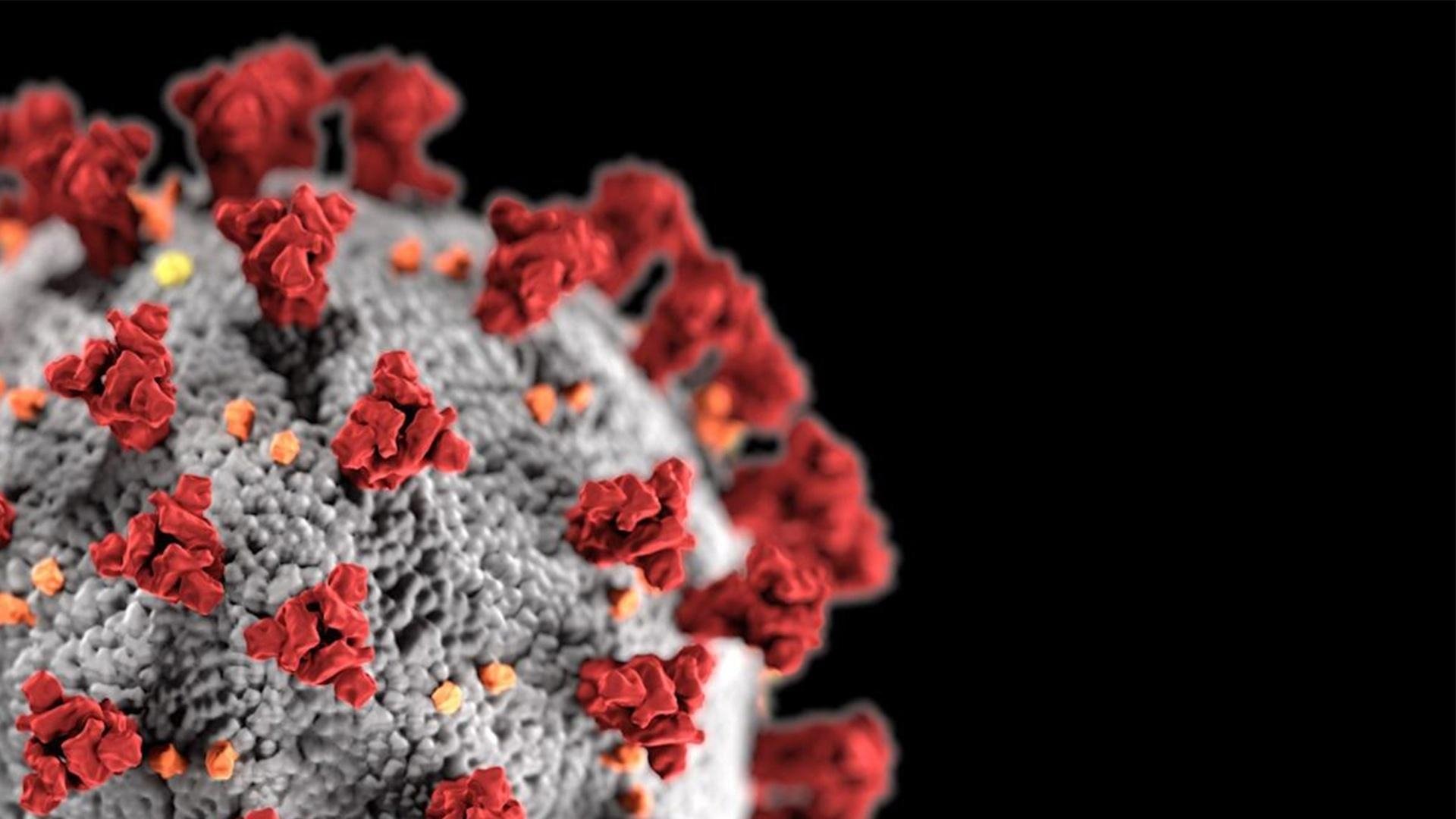
  7. The COVID-19 Response — Doctors strategize to stop the spread of COVID-19 as researchers work to understand the virus and develop treatments and vaccines.
  8. Eagles Raise Chicks — Researchers study a bald eagle's strength, eyesight, and flying skills, while close access to a new eagle family reveals chicks struggling to survive.
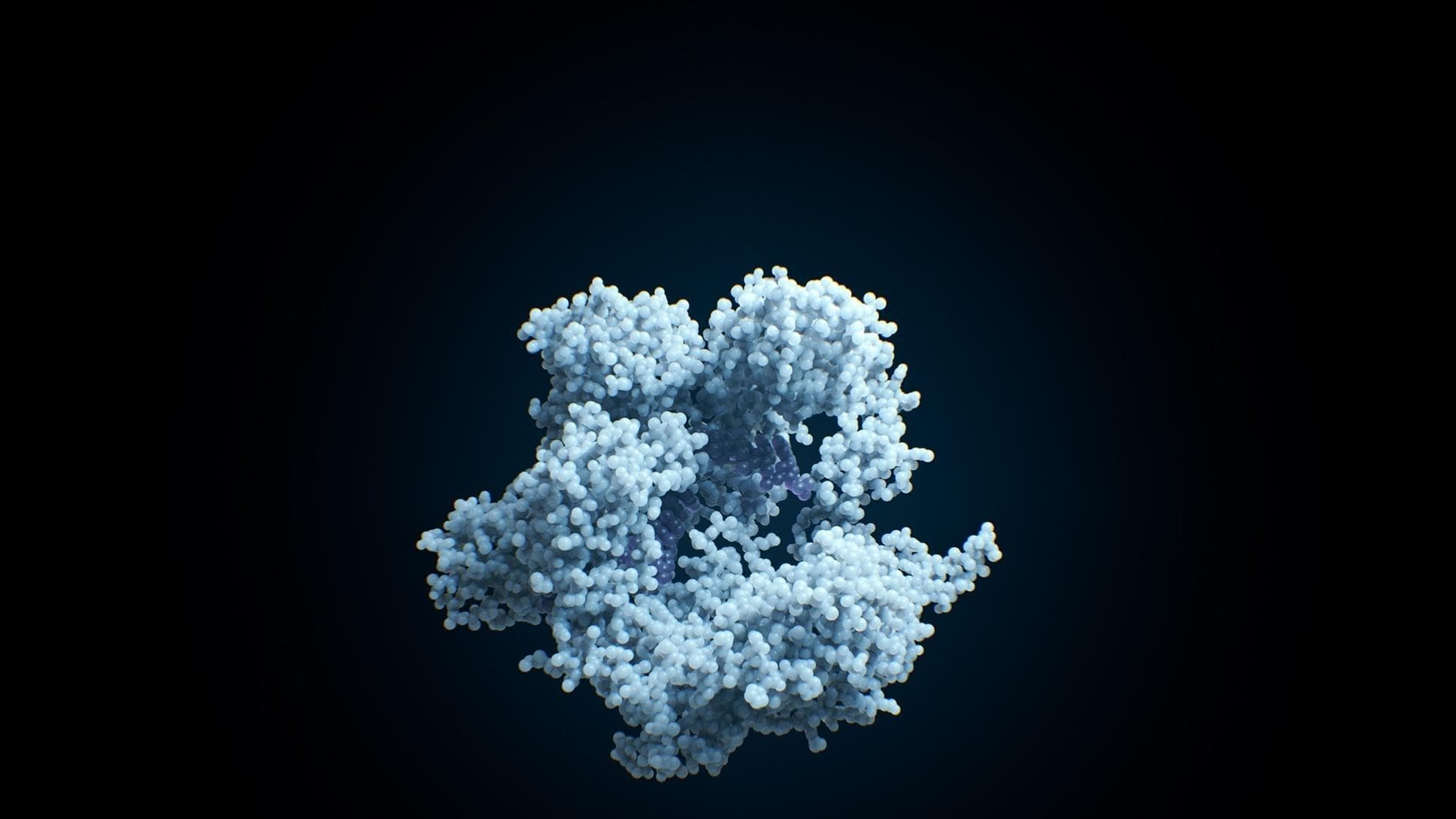
  9. The Ethics of Gene Editing — The episode weighs CRISPR's potential to address genetic disorders against ethical questions, including engineering soldiers to feel no pain and resurrecting extinct species.
  10. Slime Mold Decision-Making — Scientists investigate how slime molds navigate mazes, make decisions, and form efficient networks without a brain, raising questions about cognition.
  11. Tracing the First Alphabet — The episode follows the evolution of writing from carvings dating back 4,000 years to modern alphabets, connecting written language with trade and historical accounts.
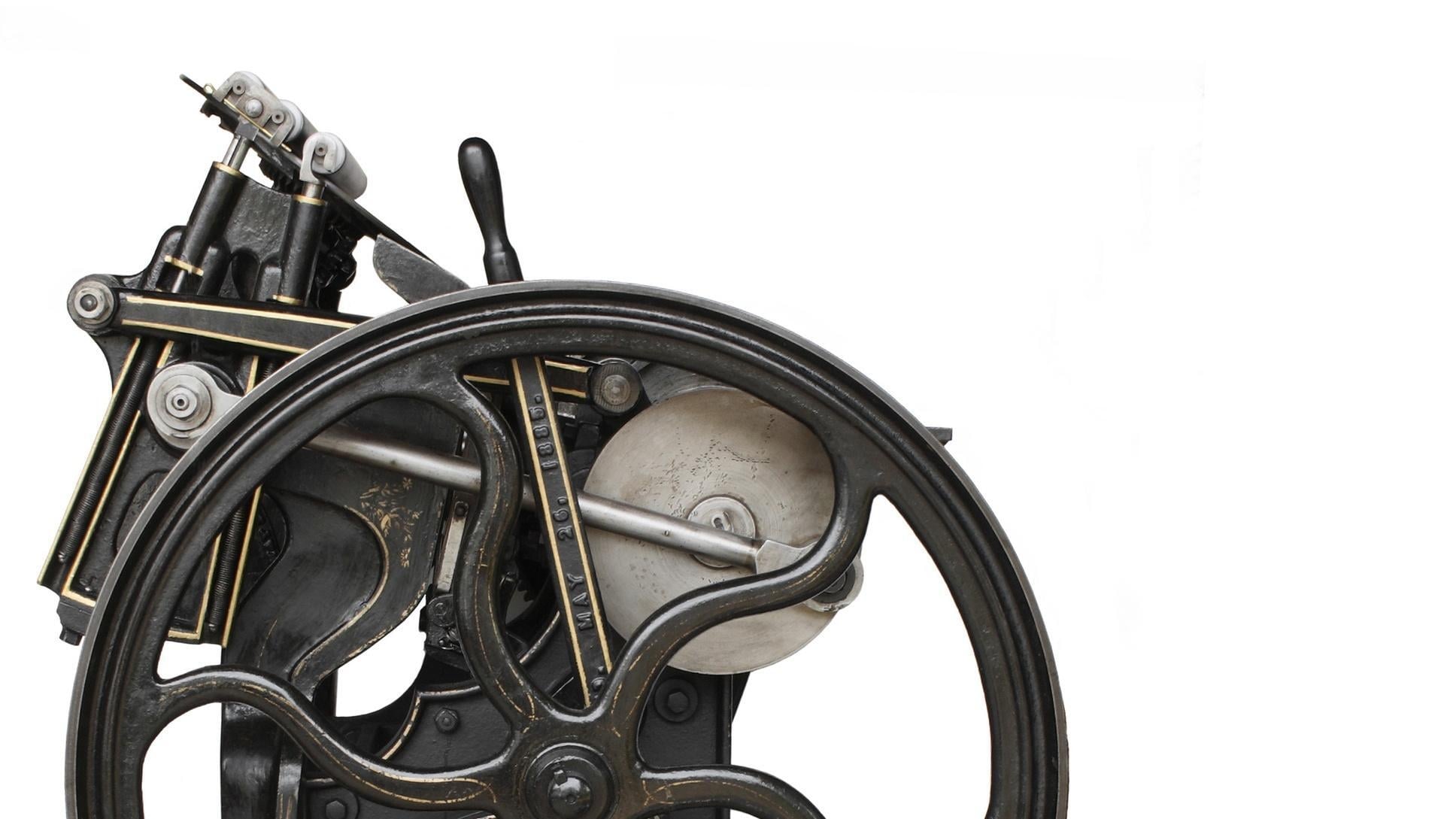
  12. Writing, Printing, and Change — The episode traces how paper and printing changed the spread of information and how the printing press contributed to the Industrial Revolution and the digital age. It also asks what may be lost as penmanship declines.
  13. Fear After Predator Loss — After war eliminated top predators in Gorongosa, remaining animals changed their territories and feeding patterns. Scientists investigate whether predator-induced fear helps regulate animal populations and reintroduce wild dogs.
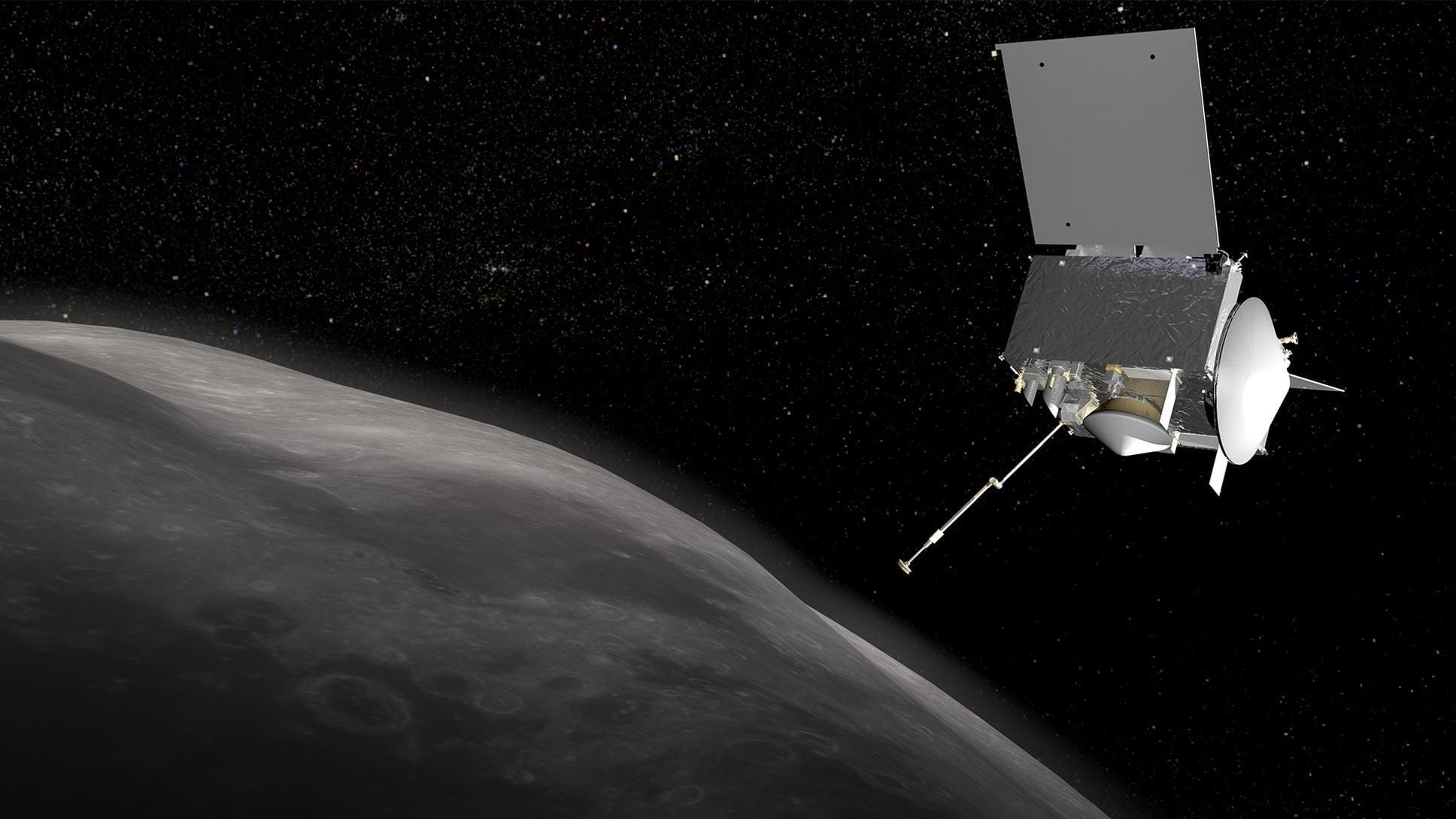
  14. Sampling Asteroid Bennu — The OSIRIS-REx team attempts to collect material from Bennu during a five-second contact, with only three chances to carry out the maneuver. The sample could help explain Earth's origins and inform efforts to defend against threatening asteroids.
  15. Evaluating Climate Engineering — Scientists assess geoengineering proposals such as removing carbon from the air and blocking sunlight, asking about their effectiveness, cost, and risks.

Seasons

Interactive Features

Episode Guide

Content sources

Plot analysis generated from content on Wikipedia, licensed under CC BY-SA 4.0.

Related entry on Wikidata (Q3071768), public domain (CC0).