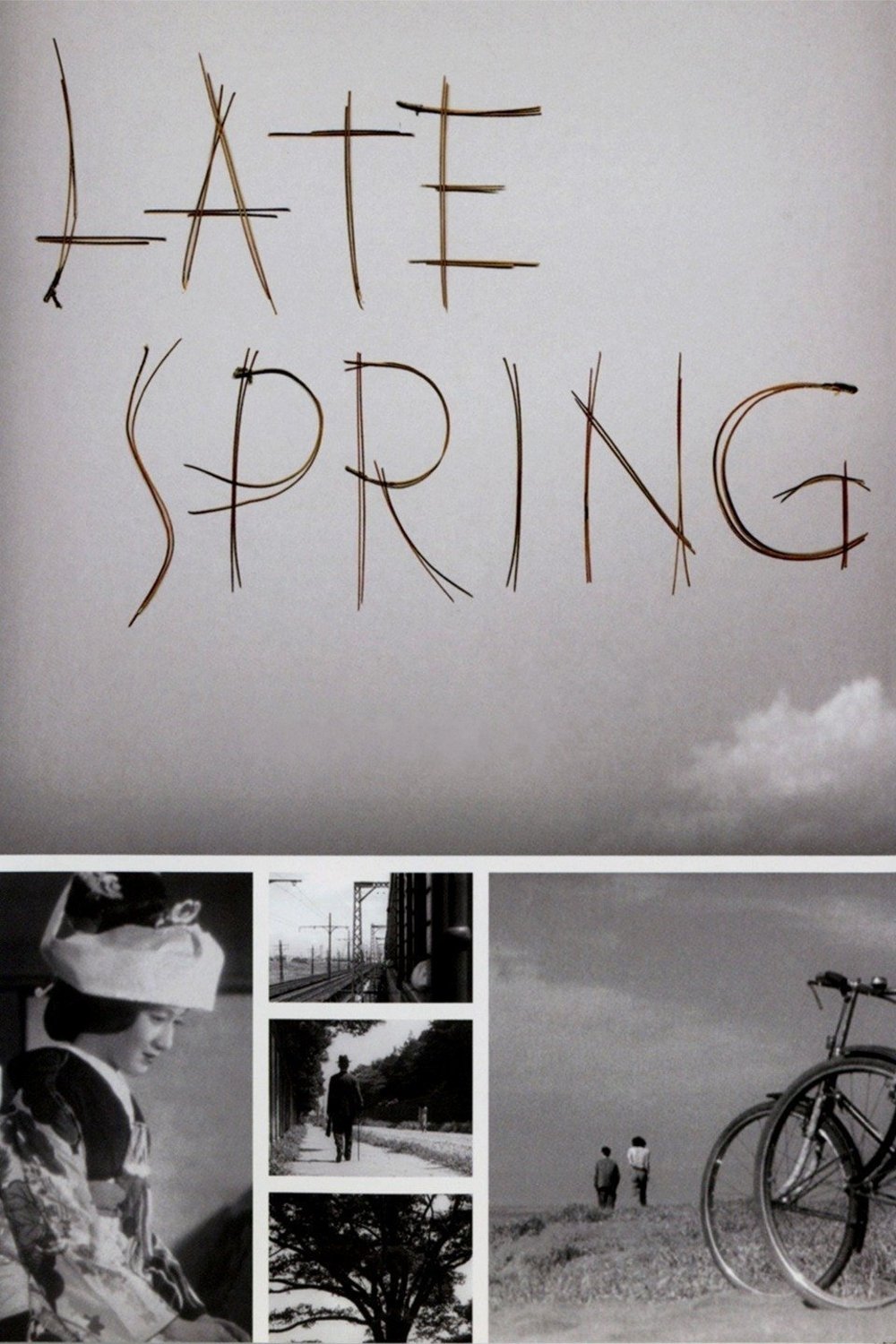
Plot Analysis Summary
Explores the quiet tension between familial duty, societal expectations, and the inevitable passage of time through a father's sacrificial deception.
Story Structure — 4 Plot Phases
Domestic Stasis & External Pressures
The film establishes the quiet routine of Shukichi Somiya's household, where his daughter manages daily life. Relatives begin applying subtle pressure for her to marry, introducing the central familial dilemma.
Key Events
-
Tea Ceremony Opening — Film opens with a formal tea ceremony establishing domestic routine. Characters: Shukichi Somiya
Location: Traditional Japanese Home
-
Tokyo Shopping Trip — Noriko and her father travel to Tokyo for errands. Characters: Shukichi Somiya
Location: Tokyo Streets
-
Encounter with Professor Onodera — Noriko meets her father's friend who recently remarried. Characters: Shukichi Somiya
Location: Tokyo Shop
-
Aunt Masa's Intervention — Shukichi's sister pressures him to arrange his daughter's marriage. Characters: Shukichi Somiya
Location: Somiya Residence
The Matchmaking Scheme
Aunt Masa and Shukichi actively pursue potential suitors, including a university graduate and a young widow. Shukichi's proposal of his own remarriage triggers emotional tension and reveals underlying dependencies.
Key Events
-
Aunt Masa's Intervention — Shukichi's sister pressures him to arrange his daughter's marriage. Characters: Shukichi Somiya
Location: Somiya Residence
-
Discussion of Hattori — Shukichi learns his daughter's assistant is already engaged. Characters: Shukichi Somiya
Location: Somiya Residence
-
Satake Introduction — Aunt Masa proposes a marriageable Tokyo University graduate. Characters: Shukichi Somiya
Location: Somiya Residence
-
Mrs. Miwa Proposal — Shukichi's sister reveals plans to match him with a young widow. Characters: Shukichi Somiya
Location: Somiya Residence
-
Noh Performance Attendance — Shukichi and his daughter attend a traditional performance. Characters: Shukichi Somiya
Location: Noh Theater
The Deception & Kyoto Journey
A trip to Kyoto provides a reflective pause where Noriko witnesses a happy remarriage. Shukichi delivers a philosophical admonition about life's natural order, forcing Noriko to confront her attachment.
Key Events
-
Noh Performance Attendance — Shukichi and his daughter attend a traditional performance. Characters: Shukichi Somiya
Location: Noh Theater
-
Father's Fake Marriage Plan — Shukichi claims he intends to marry Mrs. Miwa to provoke his daughter. Characters: Shukichi Somiya
Location: Somiya Residence
-
Noriko's Reluctant Consent — Devastated by her father's news, Noriko agrees to meet the suitor. Characters: Shukichi Somiya
Location: Somiya Residence
-
Kyoto Trip Departure — The family travels to Kyoto for a final pre-wedding visit. Characters: Shukichi Somiya
Location: Train Station
-
Meeting Onodera's Family — Shukichi observes his friend's happy remarriage, shifting his perspective. Characters: Shukichi Somiya
Location: Onodera Residence
-
Packing & Emotional Plea — Noriko asks why they cannot stay together, revealing her attachment. Characters: Shukichi Somiya
Location: Kyoto Hotel Room
-
Father's Philosophical Admonition — Shukichi explains the natural order of life and historical progression. Characters: Shukichi Somiya
Location: Kyoto Hotel Room
-
Kyoto Visit Location — Provides a reflective backdrop for the family's final journey. Characters: Shukichi Somiya
Location: Kyoto City
Acceptance & Solitary Farewell
Noriko accepts the marriage and departs for her wedding. Shukichi confesses his strategic deception to a friend, ultimately returning home alone, completing the cycle of sacrifice and solitude.
Key Events
-
Father's Philosophical Admonition — Shukichi explains the natural order of life and historical progression. Characters: Shukichi Somiya
Location: Kyoto Hotel Room
-
Noriko's Forgiveness — Noriko accepts her father's guidance and agrees to the marriage. Characters: Shukichi Somiya
Location: Kyoto Hotel Room
-
Wedding Day Preparation — Shukichi and relatives admire Noriko in her traditional attire. Characters: Shukichi Somiya
Location: Somiya Residence
-
Noriko's Departure — Noriko leaves for the wedding ceremony, thanking her father. Characters: Shukichi Somiya
Location: Somiya Residence
-
Bar Confession — Shukichi reveals his marriage claim was a strategic ruse. Characters: Shukichi Somiya
Location: Local Bar
-
Traditional Wedding Costume — Symbolizes Noriko's transition and cultural ritual. Characters: Shukichi Somiya
Location: Somiya Residence
-
Hired Car Departure — Marks the physical separation of father and daughter. Characters: Shukichi Somiya
Location: Street Outside Home
-
Final Solitude — Shukichi returns home alone, concluding the narrative arc. Characters: Shukichi Somiya
Location: Somiya Residence
Noriko is perfectly happy living at home with her widowed father, Shukichi, and has no plans to marry -- that is, until her aunt Masa convinces Shukichi that unless he marries off his 27-year-old daughter soon, she will likely remain alone for the rest of her life. When Noriko resists Masa's matchmaking, Shukichi is forced to deceive his daughter and sacrifice his own happiness to do what he believes is right.