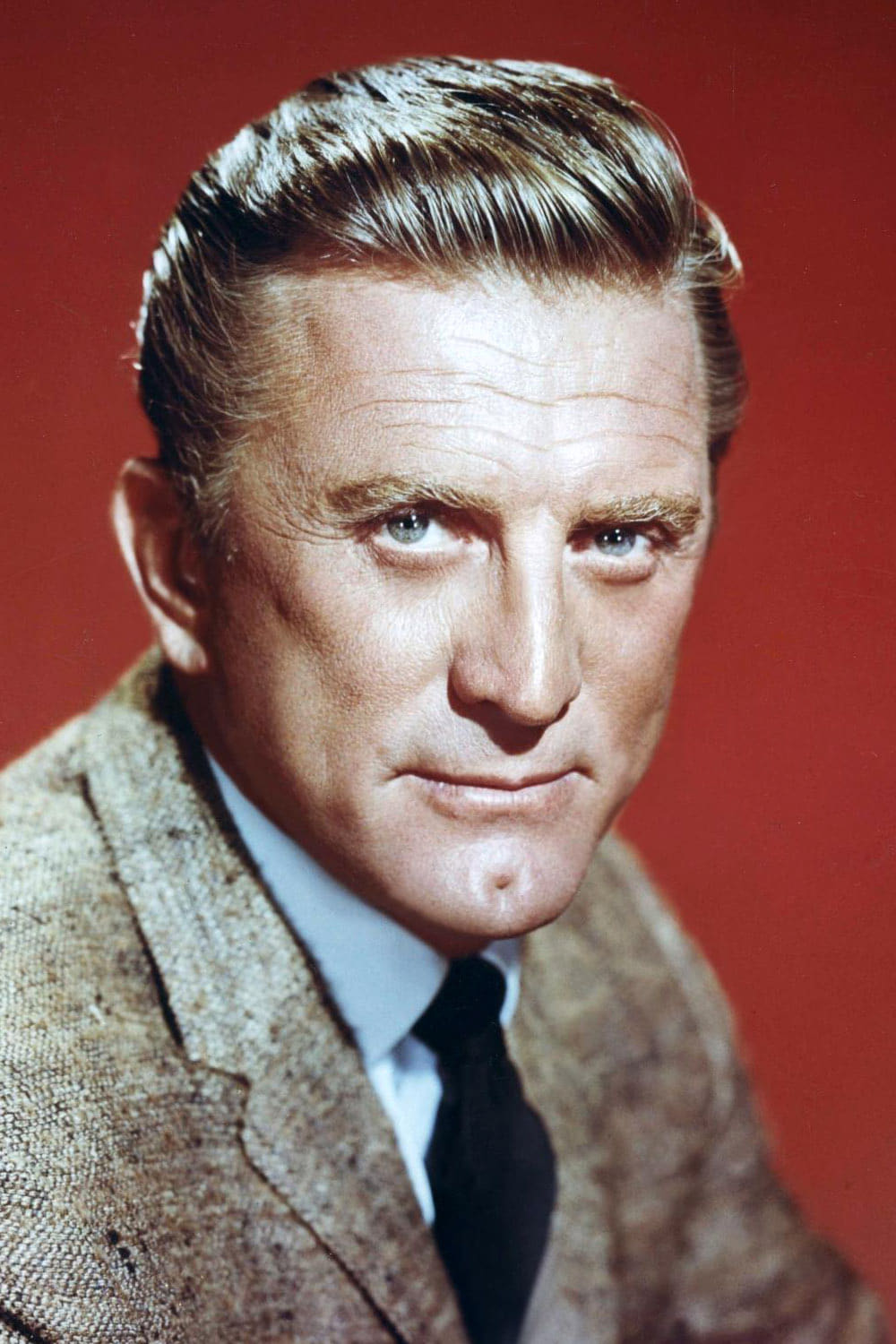
A Thracian slave and gladiator who becomes the charismatic leader of a massive slave revolt against Rome. After escaping a gladiatorial school, he organizes fugitives into a disciplined army, defeats Roman legions, and inspires his followers to fight for freedom and human dignity. Ultimately crucified but immortalized as a martyr.
Their love gives Spartacus emotional strength and represents a private form of freedom.
Spartacus forms a quiet relationship with Varinia, later reunites with her among the fugitives, and she becomes his woman and the mother of his child.
Draba's act of solidarity preserves Spartacus's life and inspires the revolt.
During the private gladiatorial show, Draba spares Spartacus after disarming him and attacks the Roman audience instead.
Antoninus becomes one of Spartacus's most devoted comrades.
Antoninus escapes Crassus's service and joins Spartacus's army, later claiming to be Spartacus to protect him.
Marcellus embodies the immediate violence of the slave system.
Marcellus enforces the gladiatorial school's abuse and taunts Spartacus about Varinia, after which Spartacus kills him.
Batiatus initially possesses legal and economic power over Spartacus.
Batiatus purchases Spartacus for his gladiatorial school and controls his training and conditions of servitude.
Their ideological and personal opposition drives the final phase of the film.
Crassus uses Roman military power and political authority to crush Spartacus's revolt, then forces him into a final duel.
Caesar becomes aligned with the Roman response against Spartacus.
Caesar joins Crassus after rejecting the political strategy used to remove Spartacus's army from Italy.
Explore the full interactive character relationship map of Spartacus
Related entry on Wikidata (Q83406), public domain (CC0).