Episode Guide
-
Poison Since ancient times, man has tried to control the "devil's bounty"–deadly substances found throughout nature. Paradoxically, some of these lethal compounds are now found to possess life-giving properties. In this hour, we explore how ancient Egyptians, Greeks, and Romans came to rely on the pernicious power of poisons and learn the physiological action of these potent killers. During the Renaissance, known as the Golden Age of Poison, the deadly practice helped shape European history–most especi
-
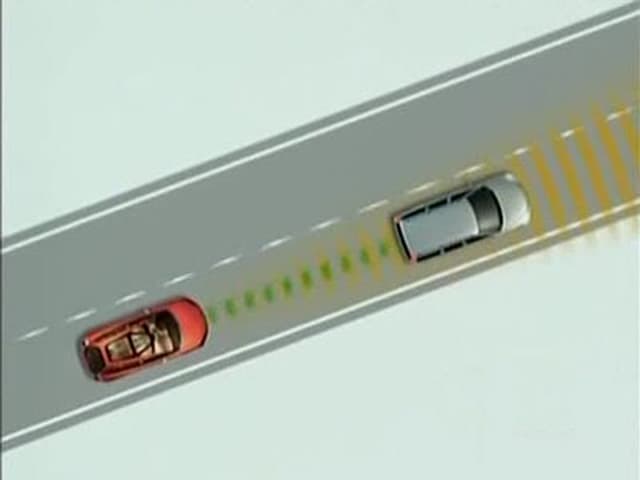
Car Tech of the Future Engage the satellite navigation, fire-up the fuel cell, and activate the radar-guided cruise control! You’re in for the joyride of your life as we investigate what drives and will drive our vehicular destiny. In this 2-hour special, we talk to auto industry engineers, designers, historians and futurists, and meet carmakers standing at the threshold of a brave new automotive world and on the verge of technical innovations that might prove as far-reaching as the switch from horses to horsepower.
-
The Arch Join us as we explore the vast and varied world of the arch, one of the strongest and most versatile structures made by man. Deceptively simple, an arch can support tremendous weight because its structure is compressed by pressure, and it provides a much more spacious opening than its predecessor–post and lintel construction. Although ancient Egyptians and Greeks experimented with the arch, the Romans perfected it. Medieval Arabs incorporated it into stunning mosque architecture, soon followed b
-
More Nature's Engineers Think man is unique within the animal kingdom? You might not after this hour that features an amazing collection of earth's non-human inhabitants that use tools, build intricate structures, create traps to capture prey, and perform complex procedures, including farming. From Egyptian vultures utilizing stones to crack open hard-shelled ostrich eggs to chimpanzees using a "tool kit" to extract termites from their nests, we learn that our ability to create tools is not exclusive. Other mammals cre
-
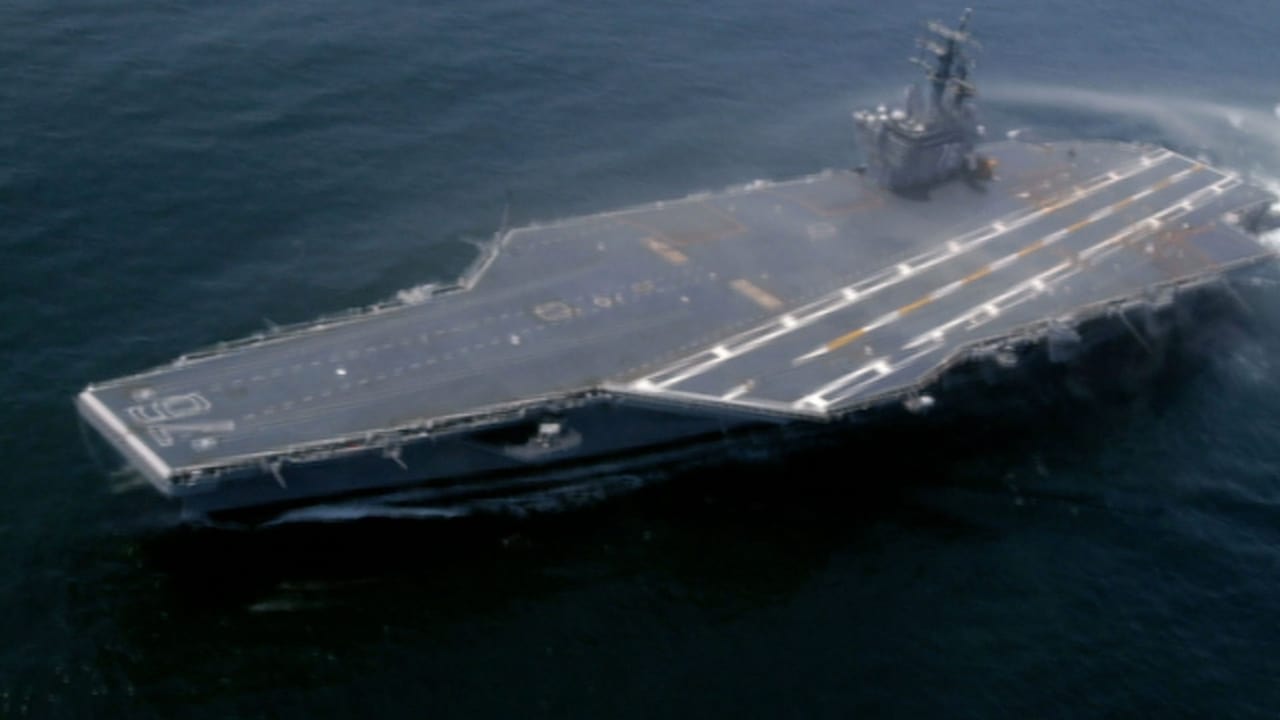
World's Biggest Machines 3 Giant robots on the factory floor and in outer space. A floating fortress that's home to 6,000 military personnel, which is almost as long as the Empire State Building is tall. And a diesel engine with 108,000 horsepower. (You read that right.) These giants must be seen to be believed! In this episode, we travel over land and sea to find these and more of the biggest, baddest, most audacious feats of engineering in the world.
-

Blackbird Stealth Designed in the late 1950s by aeronautical genius Kelly Johnson at the mysterious Skunkworks, the SR-71 Blackbird was the world’s first stealthy aircraft, designed to over-fly enemy territory with impunity while photographing 100,000 square miles in an hour. While serving six American presidents, it saw action on hot and cold war fronts alike. Interviews with crews and commanders, combined with unbelievable footage, put viewers in the cockpit of this amazing spy plane, flying at speeds of 2,000
-
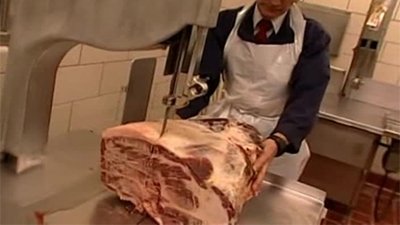
The Butcher In a carnivorous world, a butcher is a necessary link in the food chain, carving a carcass of unsavory flesh into mouthwatering cuts. We trace the grisly trade's evolution–from yesteryear's butcher-on-every-corner to today's industrial butcher working on a "disassembly" line. We tour the infamous remains of the Chicago Stockyards, where Upton Sinclair, Clarence Birdseye, and refrigeration changed butchering forever; witness high-speed butchering; and travel to a non-stop sausage factory. And if
-
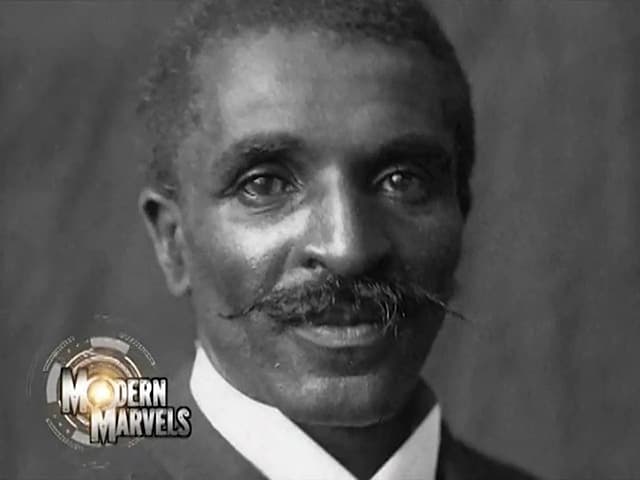
George Washington Carver Tech One of the 20th century’s greatest scientists, George Washington Carver’s influence is still felt. Rising from slavery to become one of the world’s most respected and honored men, he devoted his life to understanding nature and the many uses for the simplest of plant life. His scientific research in the late 1800s produced agricultural innovations like crop rotation and composting. Part of the “chemurgist” movement that changed the rural economy, he found ingenious applications for the peanut, s
-
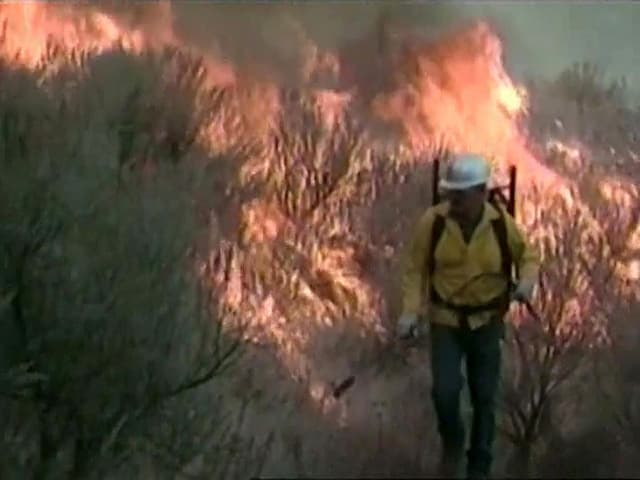
Firefighting!: Extreme Conditions This episode of Modern Marvels examines the most extreme raging fires and the firefighters who tame them. The program features interviews with a World War II firefighter who helped contain the London’s blitz fire. We also meet “Hell Fighters” who fight raging oil well fires, and “smoke jumpers” who parachute into forest fires. Firefighting: Extreme Conditions also takes a look at how NASA guards against the very real risk of a fire aboard a space vessel.
-
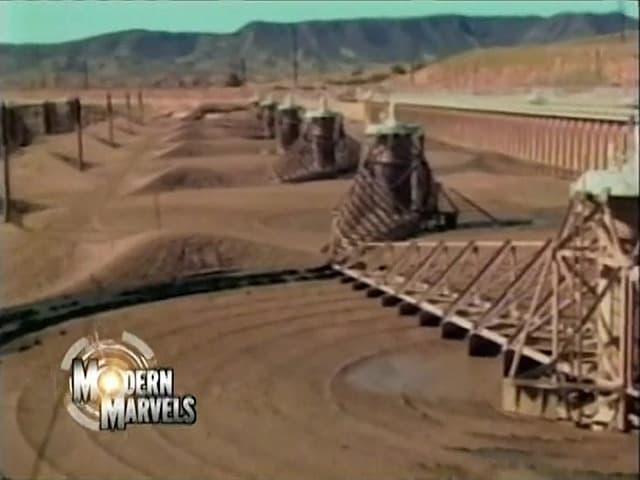
Desert Tech It’s hot, dry, deadly, and hard to ignore with close to 40% of Earth classified as desert. But in this scorching hour, the desert turns from barren wasteland into an environment rich with hope. In the Middle East, desalination of seawater now fills water needs. Americans have created booming desert communities like Las Vegas, where the Hoover Dam produces hydroelectric power and manmade Lake Mead supplies water. Native Americans farmed the desert on a small scale, but 20th-century technology beg
-

Sub Zero Come in from the cold while we explore some of Earth's most frigid places and examine how man copes with sub-zero climates. With the advance of technology, our boundaries have expanded–from the North and South Poles, to the depths beneath the Arctic and Antarctic sea ice, to the Moon, Mars, and outward to Saturn. Enter these forbidding territories, guided by a special breed of experts as we inspect the new US South Pole Station, try on the latest Polartec fashions with anti-microbial fibers, rid
-
The Great Bridge: 8 Miles of Steel The Oakland Bay Bridge in San Francisco boasts more superlatives than any bridge on earth. Bridge builders of the depression era defied logic and economics and succeeded in building an 8 mile long structure connecting Oakland and San Francisco. Engineer Charles Purcell built two suspension bridges side by side on the San Francisco side of the bay, then built the largest bore tunnel in the world to connect the west side with Oakland’s eastern shores. Modern Marvels shows you how this great feat
-
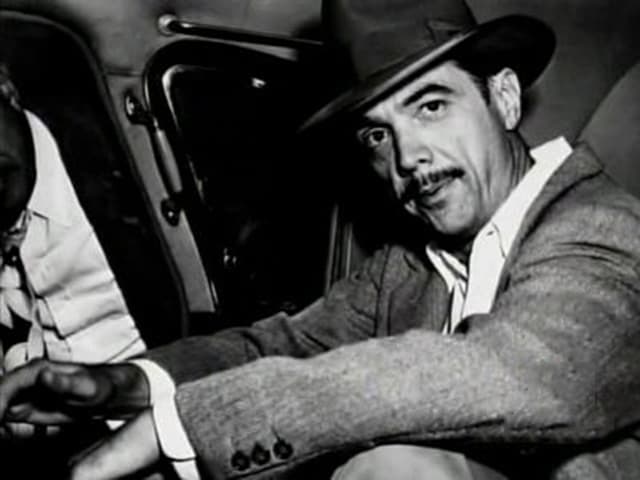
Howard Hughes Tech An in-depth look at the technology conceived or developed by America’s first billionaire. A passionate aviator, Howard Hughes built and flew planes that broke speed records, and developed war machines, spy aircraft, and commercial airliners. Despite the impressive heights reached by his technological empire, his health and mental well-being were fragile. During his last years, he wasn’t seen publicly or photographed, rarely left the hotel suites he occupied, and was terrified of germs. But when
-
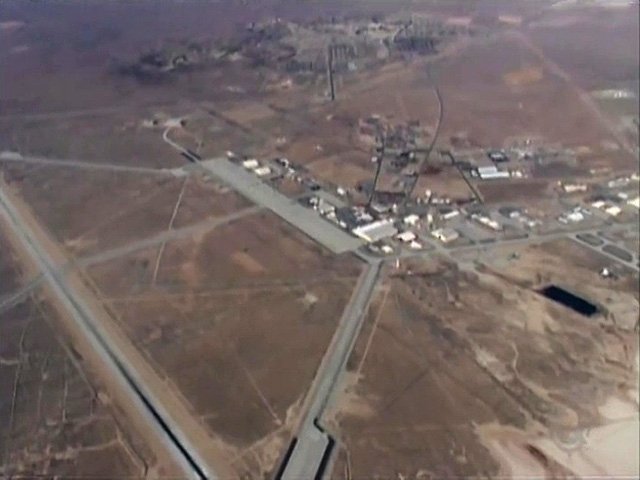
Edwards Air Force Base Examine the colorful history of the premier flight test center, and America’s most important aviation facility for more than 60 years, Edwards Air Force Base in California. Every single aircraft to enter the Air Force’s inventory has been put through its paces at Edwards, along with many Navy and Army aircraft as well. With unprecedented access to several forgotten and abandoned facilities on the base, we are guided by Richard Hallion, former chief historian for the US Air Force. Today, Edwards
-
Taxidermy It began as a tool used by prehistoric man to attract animals to the hunt. Over time it became an invaluable study aid for the natural scientist and a popular hobby for hunters and fishermen. Join us for a tantalizing look at the history of taxidermy, the craft of preserving animal skins and using them to recreate a still life of the animal as it appeared in life. We also check out fiberglass reproduction, which is gaining popularity as fish and game regulations become stricter. Finally, we exam
-
SWAT -
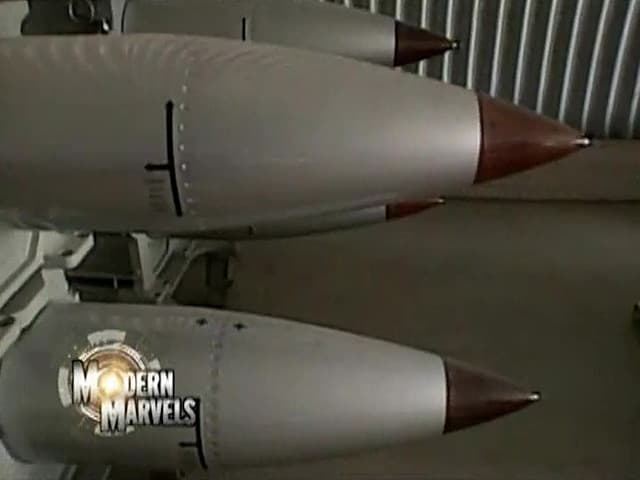
Deadliest Weapons In this fiery hour, we profile five of man's deadliest weapons, focusing on the inventors, battles, and dark technology behind their lethality. We begin with the deadliest bomb ever created, the Tsar Bomba–a 50-megaton nuclear bomb with a yield thousands of times greater than the one dropped on Hiroshima. During WWI, technological advances in weaponry led to the deaths of over 8-million, and one of the deadliest killers was the machine gun. In WWII, the use of incendiary bombs killed hundreds of
-

The Doomsday Clock Developed in 1947 as an image to symbolize urgency in the Cold War and the threat of nuclear disaster, the mission of the Doomsday Clock has expanded to include non-nuclear global security issues. Maintained by the Board of Directors of the Bulletin of the Atomic Scientists, it’s based at the University of Chicago. In response to world events, they move the clock’s minute hand closer to or away from midnight–doomsday. In this hour, we cover the clock’s history, its effectiveness, and its critics
-
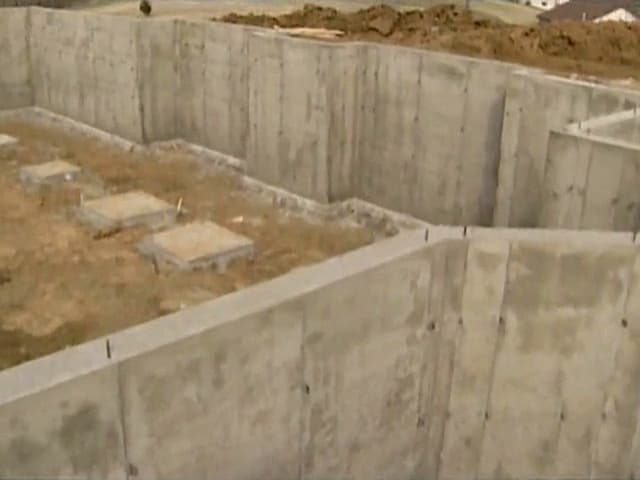
The Basement Venture down that creaky staircase to explore the most misunderstood room in the house! From Pompeii to Pittsburgh, the dark, cool, and forlorn spaces beneath our living quarters have always contained things that helped us live comfortably. Ancient Hittites, Phrygians, and Persians carved subterranean rooms for food, water, and wine storage, and for shelter from weather and marauders. For ancient Greeks and Romans, a basement greatly increased a house’s value. Ruins of homes at Pompeii reveal th
-

Paint From the Impressionist canvas to the Space Shuttle…from customized hotrods to the brilliant orange hue of the Golden Gate Bridge or tiny electronic devices–paint is one of our most ubiquitous products. And paint adds more than just pigmentation. It’s a crucial engineering element, protecting ships from water corrosion, stovetops from heat, and the Stealth Bomber from radar detection. In homes and businesses, it provides a balanced spectrum of light and protects surfaces from wear. In this colorf
-
Mega Movers -
Punishment -
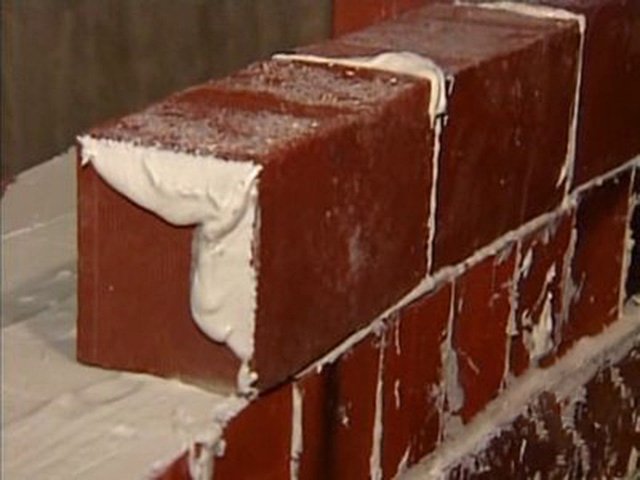
Bricks The history of civilization has been built on the back of brick, and it’s been said that “architecture itself began when two bricks were put together well.” From great Egyptian temples to the Roman aqueducts, the Great Wall of China, and the dome of the Hagia Sophia, brick is one of the oldest, yet least celebrated, building materials manufactured by man. In this hard-packed episode, we explore brick’s past, highlighting defining moments, such as the Great London Fire of 1666, the zenith years o
-

Glue It’s Super! It’s Krazy! And it can be found in everything from carpet to computers, books to boats, shoes to the Space Shuttle. It’s even used in surgery! Without it, our material world would simply fall apart. In this episode, we’ll visit the stuck-up, tacky world of glue. Glue’s sticky trajectory spans human history and we’ll cover it all–from Neolithic cave dwellers who used animal glue to decorate ceremonial skulls to modern everyday glues and their uses, including Elmer’s glue, 3M’s masking
-
F/A-22 Raptor Built around “first look, first shot, first kill” design, the F/A-22 Raptor, the most advanced aircraft of its breed, is set to become the Air Dominance Fighter of the 21st century. Deadly and undetectable at long-range, this super-jet is the latest in 5th generation fighter technology. Capable of super-cruise and packing an array of deadly missile systems, this stealth jet blends dogfighting skill with precision-strike ground attack capability and can intercept and strike any target with near i
-
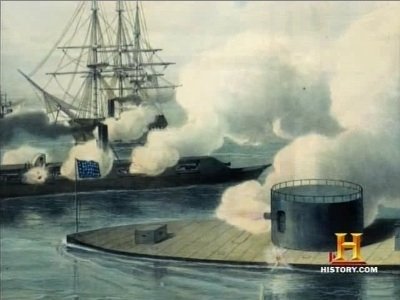
Civil War Tech America protects its homeland with the most technologically advanced military force ever conceived. Although they fight 21st-century battles worldwide, the technology unleashed is directly descended from a war fought more than 140 years ago. This episode explores how the War between North and South was the first modern war, and the technology used in it was a quantum leap beyond any previous conflict. The machine gun, aerial reconnaissance, advanced battlefield medicine, instantaneous communicat
-
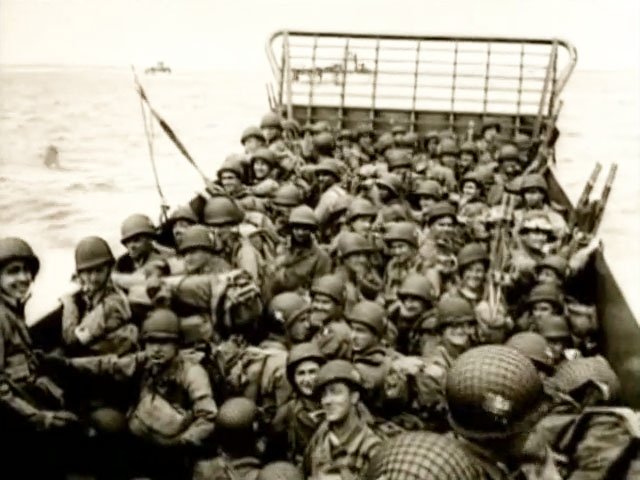
Machines of D-Day June 6, 1944–the greatest machine of World War Two springs into action. It is made up of thousands of ships and aircraft, tens of thousands of men and millions of tons of steel and concrete. This is Operation Overlord–the invasion machine that will send Allied soldiers dropping from the skies and storming the beaches of Normandy. Each piece of this machine has been designed to fulfill a specific task in the air, on land, or at sea. The success of D-Day depends on it. Interlocking with pinpoint p
-
John Hancock Center A steel giant standing 1,107 feet high on broad shoulders, this vertical city houses 1,200 people. Join us as we explore how a young architectural team from Skidmore, Owings & Merrill conceived of an innovative 100-story, multi-use tower. A construction crisis halted the project for six months, but once it resumed, it took just four years and 50 million man-hours to complete the John Hancock Center. In the heart of Chicago, the John Hancock Center rises 100 stories above the luxury shops and res
-
The Cape Cod Canal In a battle against the ferocious Atlantic or safe passage through waters where ships wrecked and lives were lost, it was an engineering feat that many believed impossible. This is the story of the Cape Cod Canal and the men who braved the natural elements and the Great Depression by venturing into new engineering territory. In 1909 excavation began on what would become one of the greatest success stories of our time. The evolution of the Cape Cod Canal into what it is today–a major commerce and
-
Secret Japanese Aircraft of World War II In the 1930s, Japanese designers created a range of warplanes, culminating in the legendary Ki-43 Oscar and the A6M Zero. As the war turned against Japan, designers created the rocket-powered Shusui, the Kikka jet fighter, and the experimental R2Y Keiun. We also disclose frantic preparations to assemble a secret air force of jet and rocket planes to counter an anticipated US invasion in1945, and chronicle post-war aviation and the birth of the Japanese rocket program in the 1950s and ’60s.