Episode Guide
-
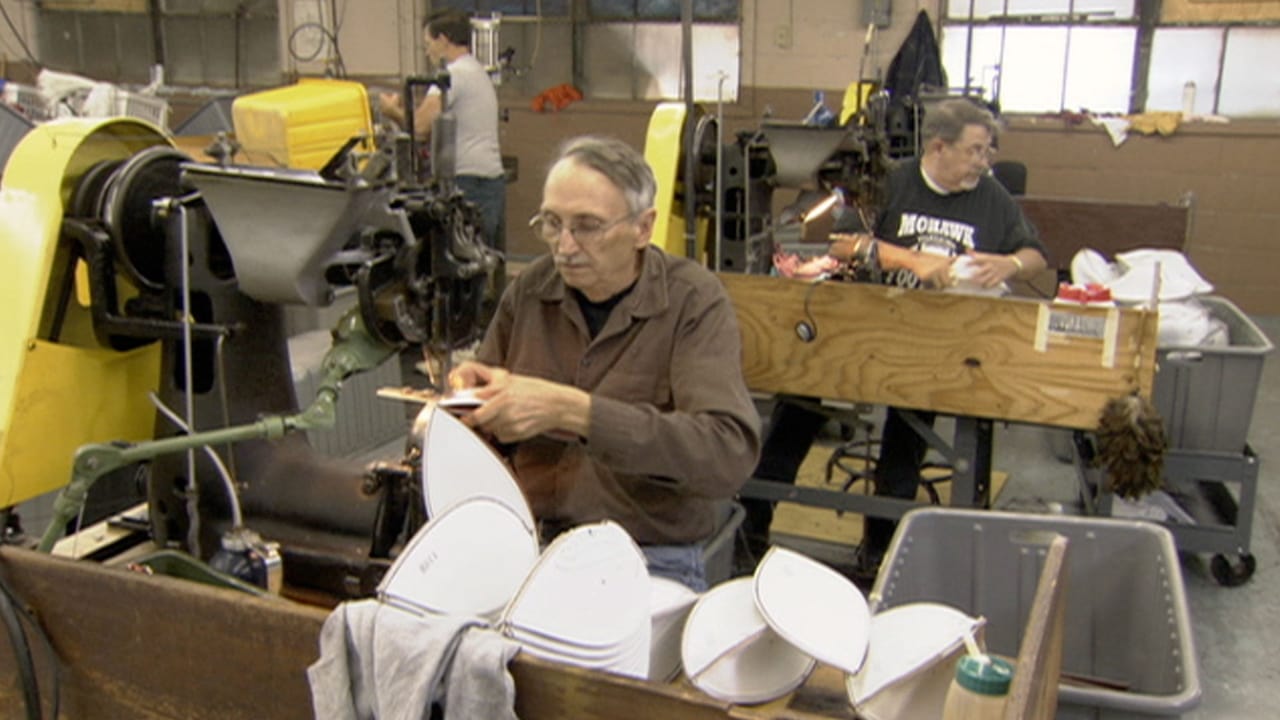
Balls Examining the technology and evolution of balls used in sports. Included: a tour of the Wilson Football Factory Ohio; the Rawlings baseball factory Costa Rica and the Baseball Hall of Fame in Cooperstown, N.Y. And also "juego de pelota" - the ancient Mesoamerican ball game.
-
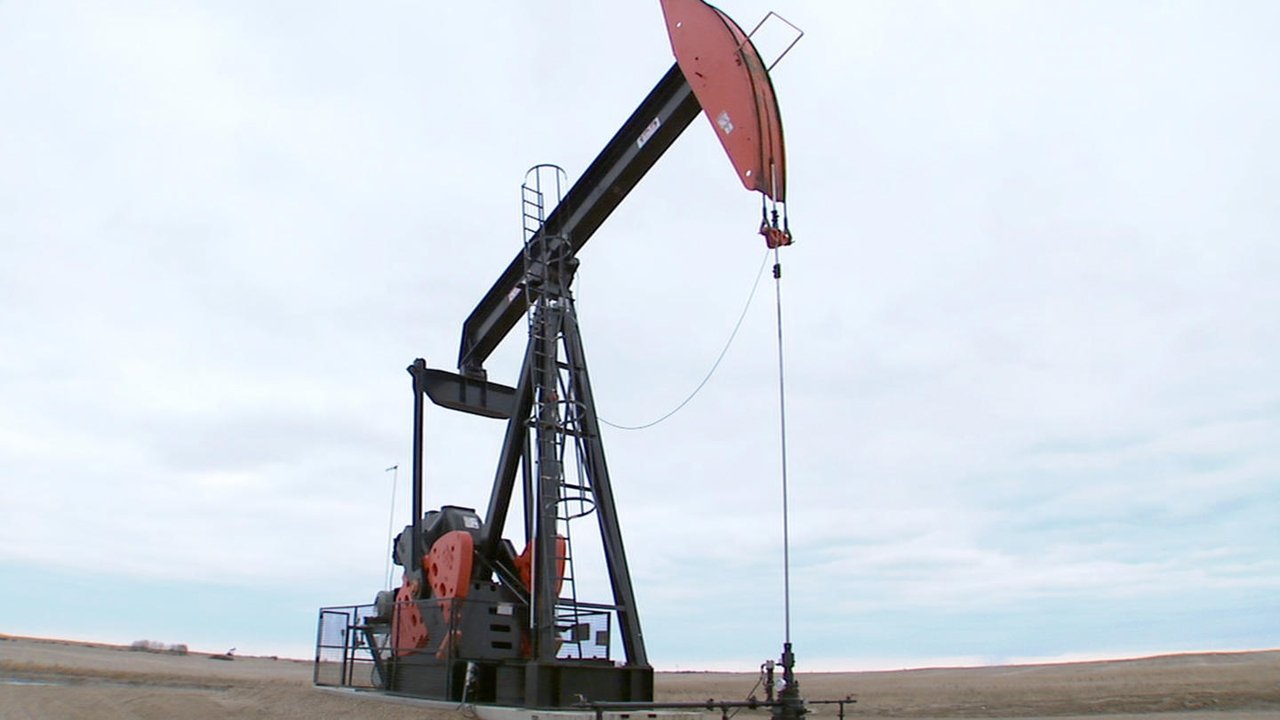
Environmental Tech From the prairies of Saskatchewan to a Manhattan skyscraper we’ll see the 21st Century’s cutting-edge “green” technologies in action. New technologies such as carbon sequestration and bioremediation take on our most daunting environmental crises, from global warming and deforestation to nuclear waste.
-
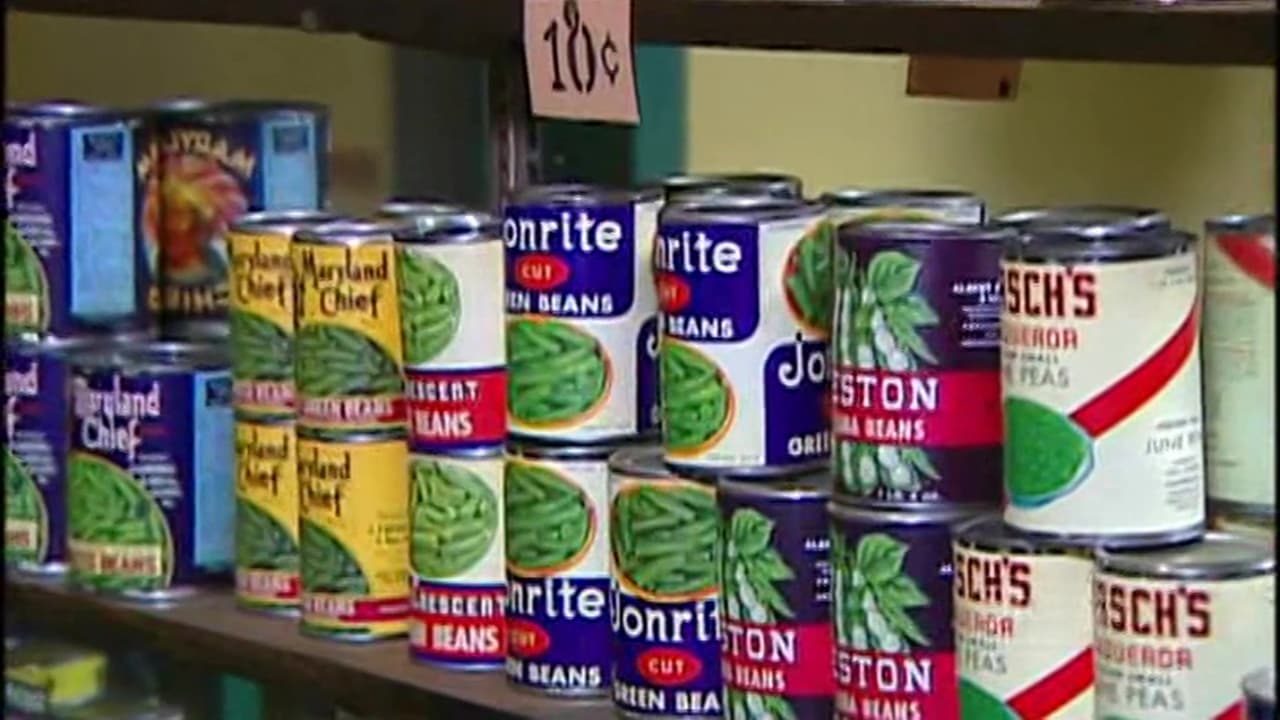
Canning It's the unsung essential of modern life. Canning is the method of a preserving and packaging food, without which civilization would never have ventured beyond the local food supply. It changed the way the world eats and revolutionized the food industry.
-
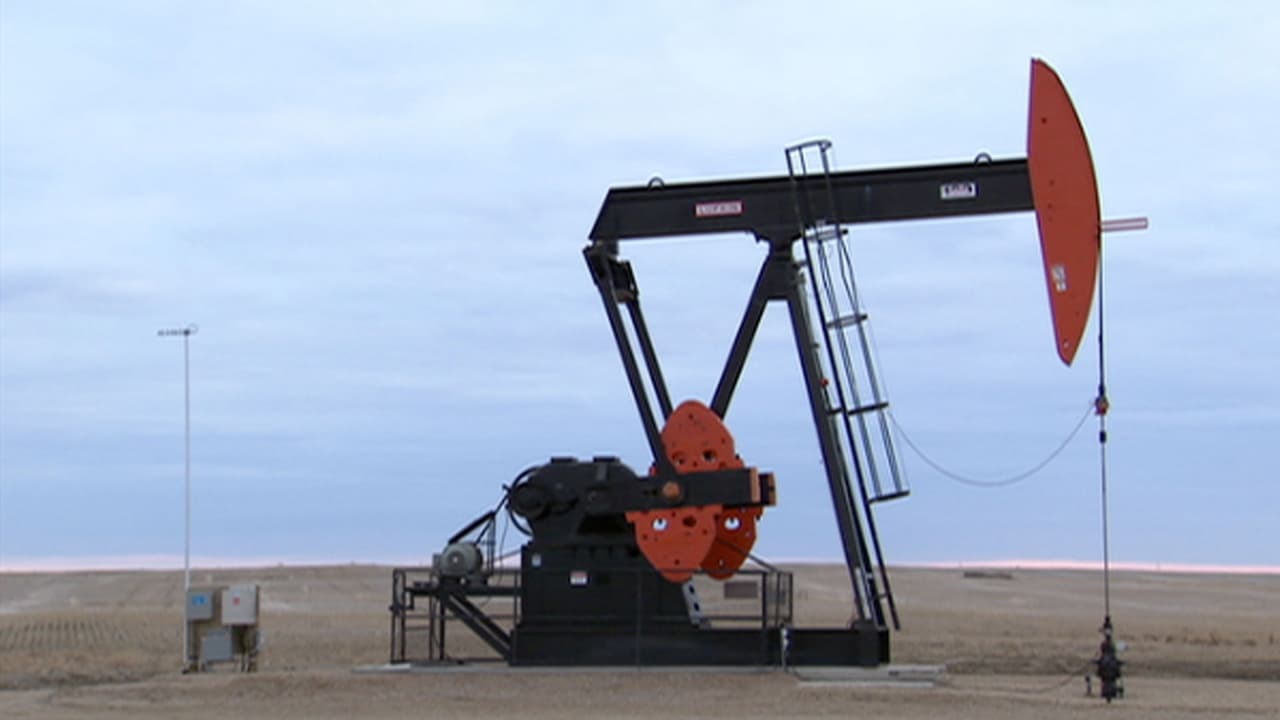
Pumps The history of the pump is chronicled. Pumps used in water distribution in Southern California - The Colorado River Aqueduct, a robotic cow-milking pump and a pump used in heart surgery.
-
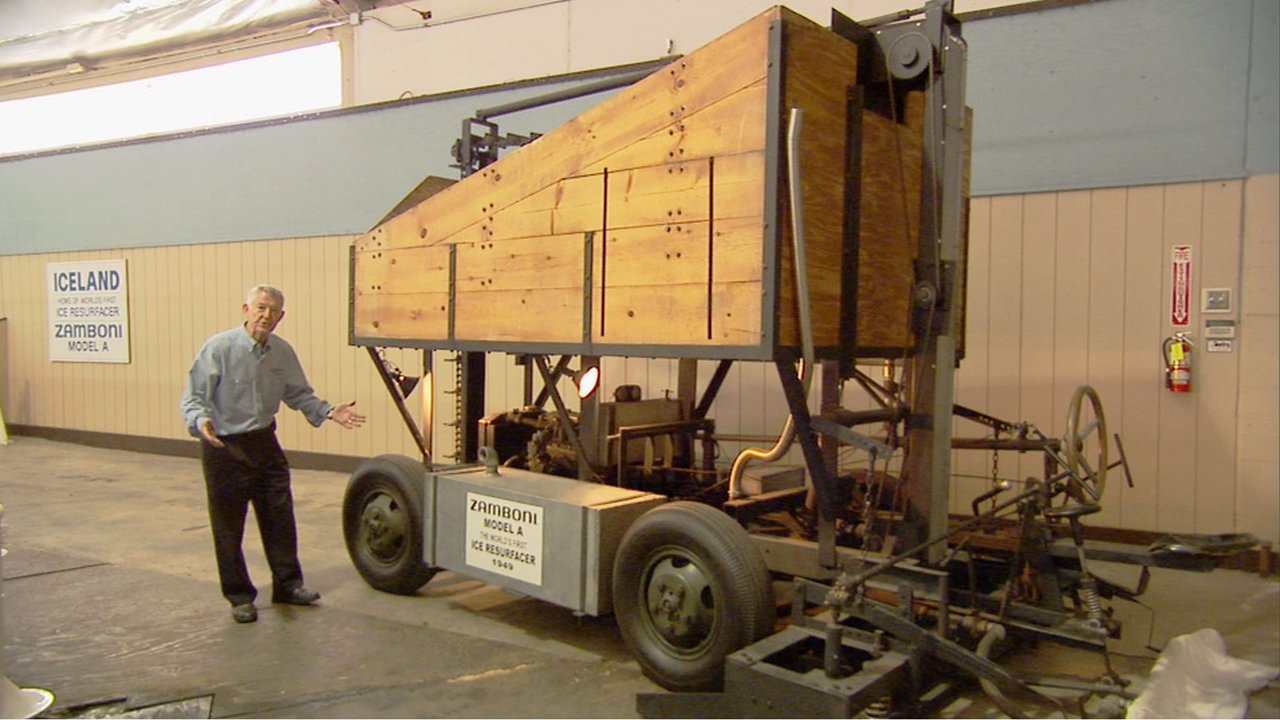
Ice The solid form of life's precious elixir has played a key role in fashioning our history and is making its mark as an unusual tool of technology. Explore how Earth's ice originated and recount how ice age glaciers sculpted North America. Take an inside look at Colorado's National Ice Core Repository to see how ice drilled from Antarctica and Greenland is an invaluable archive of past climate, and at a Canadian research lab experts demonstrate the dynamics and dangers of icebergs. See how Greenla
-
More Ice It traps a treasure of energy on the ocean floor, and confounds scientists still trying to solve why it’s so slippery. We’ll venture inside NASA’s Icing Research Tunnel in Ohio, and then it’s off to Salt Lake City’s Olympic Oval which boasts “the fastest ice on Earth.” Dive to the ocean floor to collect and analyze a unique form of ice called methane clathrates–cages of ice encasing pressurized natural gas. Scientists believe that if only one percent of the world’s ice-entrapped methane could be
-
The Destroyer The destroyers made during World War II are examined. With interviews with veterans and archival film footage.
-
Star Trek Tech In this episode we are presented with the technology and gadgets used while filming the Star Trek series. It also explores some of the real or possible technologies that were inspired by various Star Trek series.
-
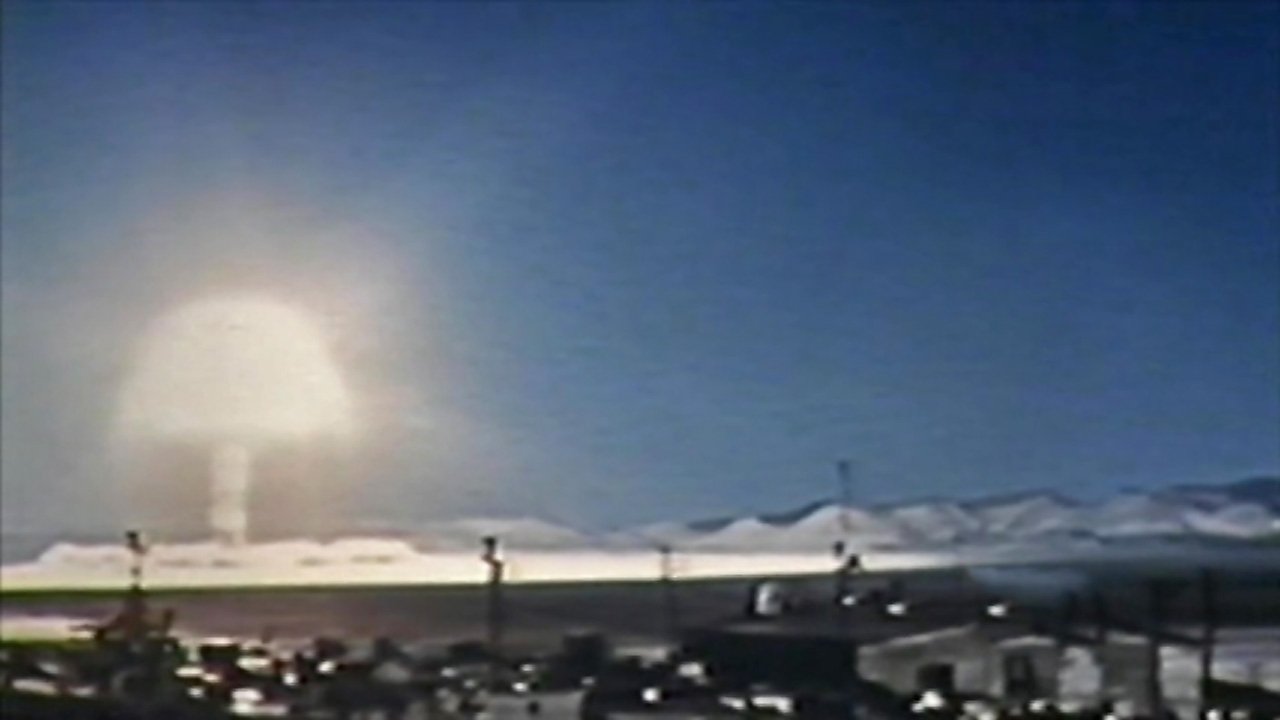
Weapons of Mass Destruction Nuclear and biological Weapons of mass destruction are examined. With a computer-generated depiction of a dirty-bomb attack in Seattle and how scientists identify biological agents.
-

Barbarian Battle Tech It's clear from the bow that nearly brought down Rome, the suspension system that revolutionized the chariot, and the axe that named a country that barbarians and technology aren't such a contradiction after all.
-
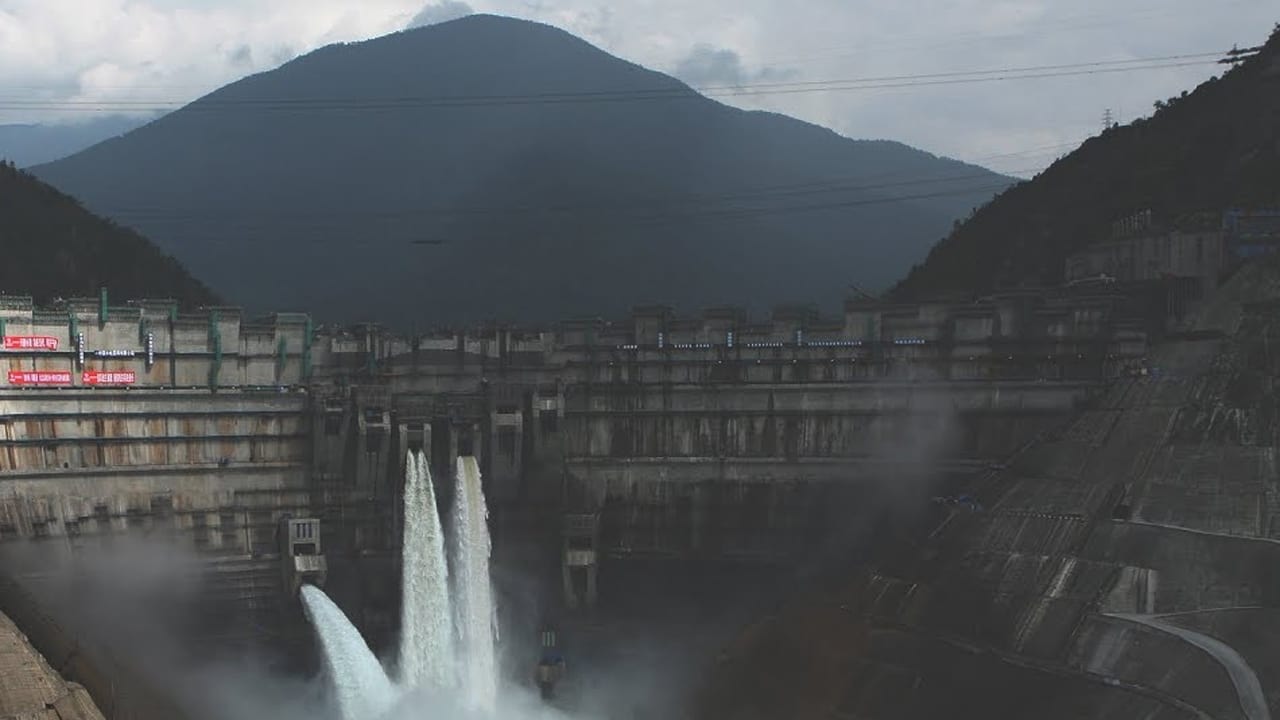
Dams Dams - one of man's greatest accomplishments are explored. The history of dams from construction to demolition and their impact on the environment. Beavers and their dams and construction of embankment dams and larger Hydroelectric dams such as Three Gorges, Hoover, and Grand Coulee are explored.
-
Yard Tech The technology used to keep your lawn green including the lawnmower, riding movers, sod, astro turf, and sprinklers. The state of the art grass used in the University of Phoenix Stadium in Arizona. Also: how a company moves big trees, and the science of different types of grasses.
-
More Military Movers Soldiers, machines, and supplies are only effective if they arrive at the battlefield in time. Explore the history and the technology behind the machines that do the heavy moving in times of war.
-
Deep Sea Salvage Driven by the need for deep sea rescue and salvage capabilities, the US Navy Diving and Salvage Programs have gathered together a highly skilled team of divers, scientists and engineers, who have been involved in some of the most exciting and dangerous salvage operations ever undertaken.
-
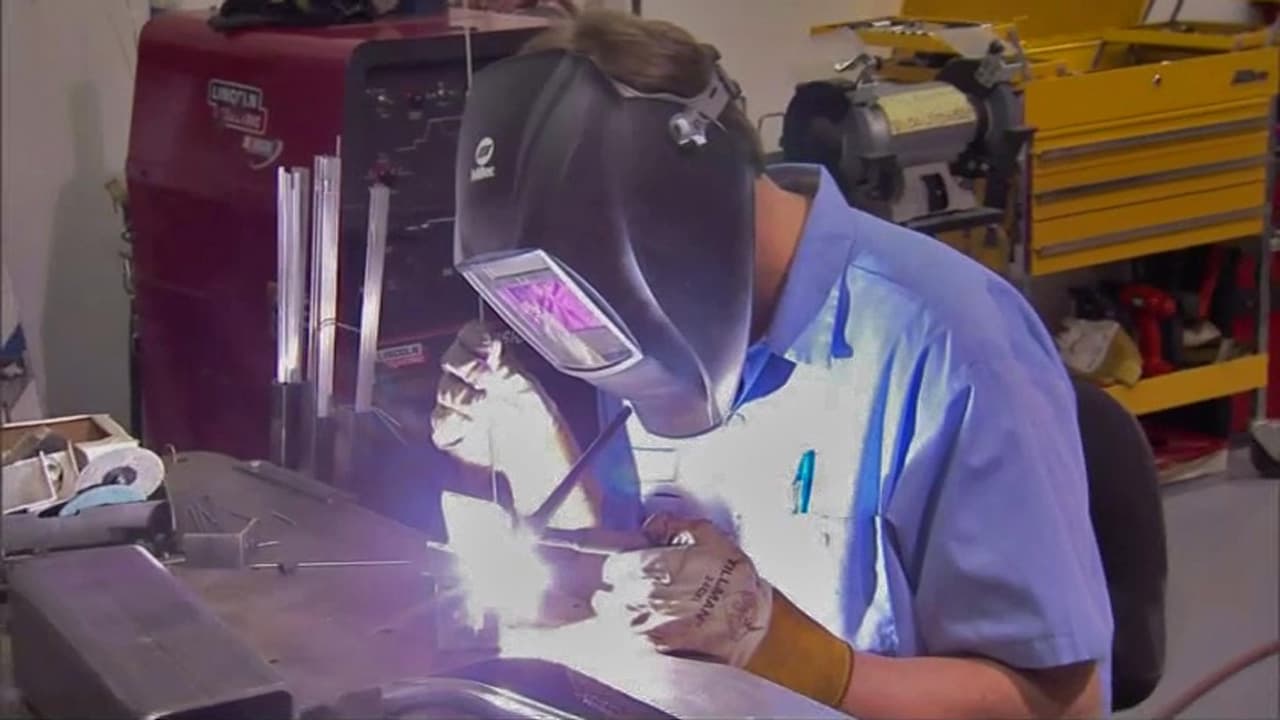
Welding It was a science first conjured amid the fiery ovens of ancient blacksmiths; today more than 50% of all U.S. products require some form of welding. Whether via electricity, flammable gases, sonic waves, or sometimes just raw explosive power, welding creates powerful bonds between metal unmatched by any other joining process. From high atop emerging 60-story towers on the Las Vegas strip to oil platforms hundreds of feet below the ocean, discover how welders forge the backbone of civilization. Le
-
60s Tech A look at the technology behind some of the 1960s greatest inventions. With color television, transistor radios, satellite broadcasting, touch-tone phones, lava lamps, the Ford Mustang, and toys like Etch-a-Sketch and the Super Ball.
-
It Came From Outer Space What do remote controlled robots, Tempur-Pedic mattresses, polarized glasses and metallized blankets have in common? They are all civilian inventions among the thousands derived from technologies used in space exploration.
-
World's Strongest II What does it take to become "the world's strongest"? You'll find out on this episode of Modern Marvels. With life-saving boron carbide body armor and MegaFly - a giant ram air parachute.
-
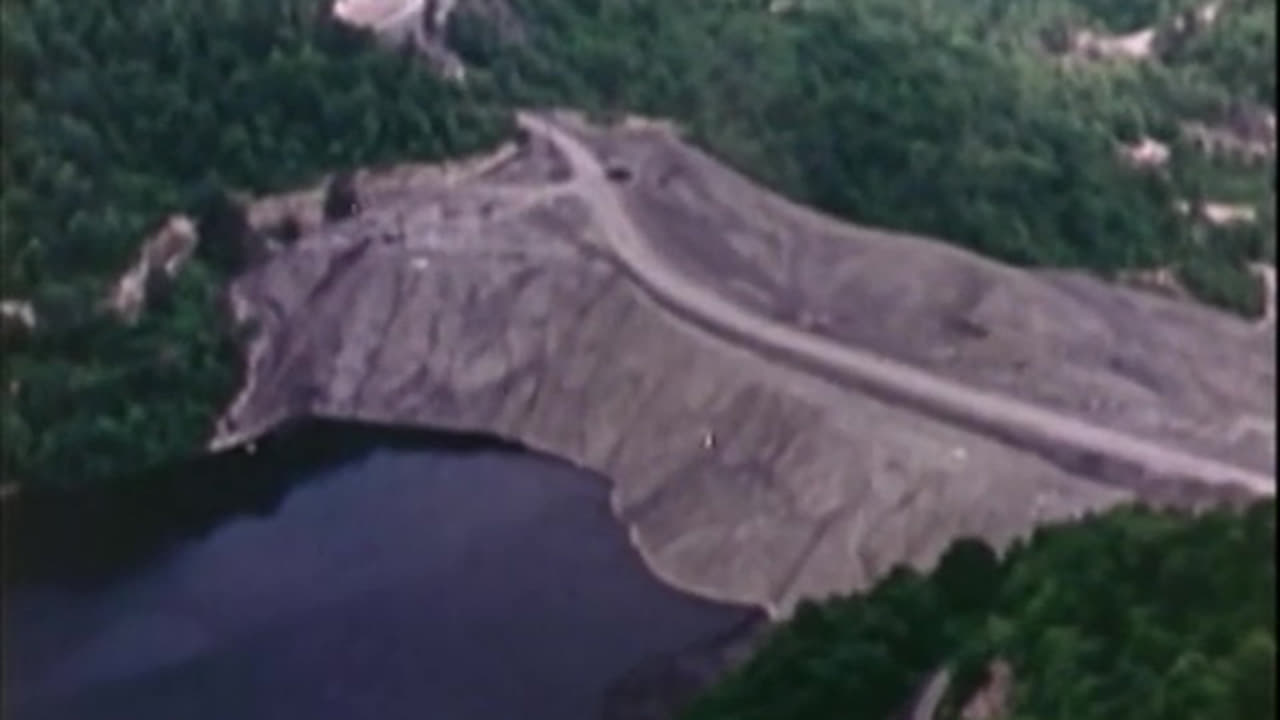
Engineering Disasters of the '70s To err is human, but when the error results in the loss of life, it's a disaster. Learn about the sinking of the Edmund Fitzgerald, the Buffalo Creek Dam disaster, and the explosion of a tanker in Los Angeles harbor.
-
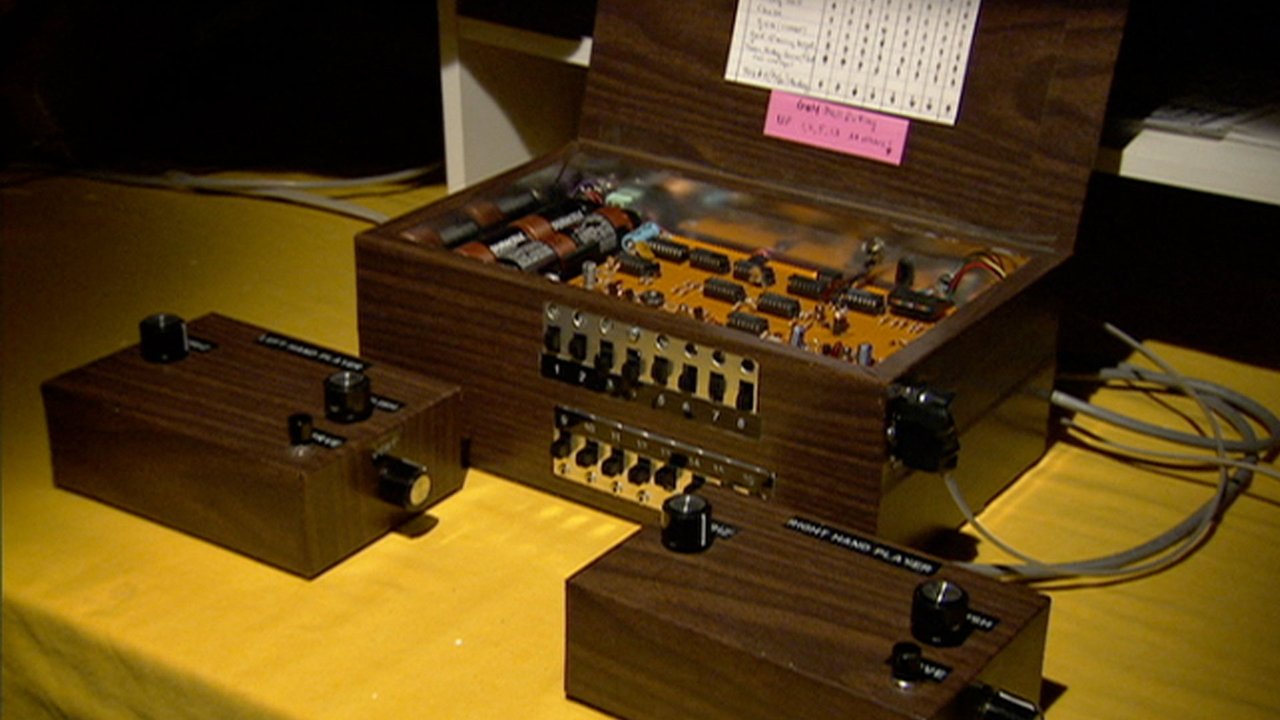
70s Tech The 1970s were a decade of excess. Dust off your mirror ball, put on your leisure suit, and rediscover the gadgets of the era
-
Truck Stops Join Modern Marvels as we discover how truck stops, serving more than twenty million truckers nationwide, are bigger and better than ever. These mammoth pit-stops are essential cogs in the machinery that keeps goods flowing seamlessly around the country. In this episode we'll tour the world's largest truck stop, a grand service area complete with fuel, food, parking, private showers, a movie theater, a dentist office, and a barbershop. We'll see how 18-wheelers power elaborate living quarters wi
-
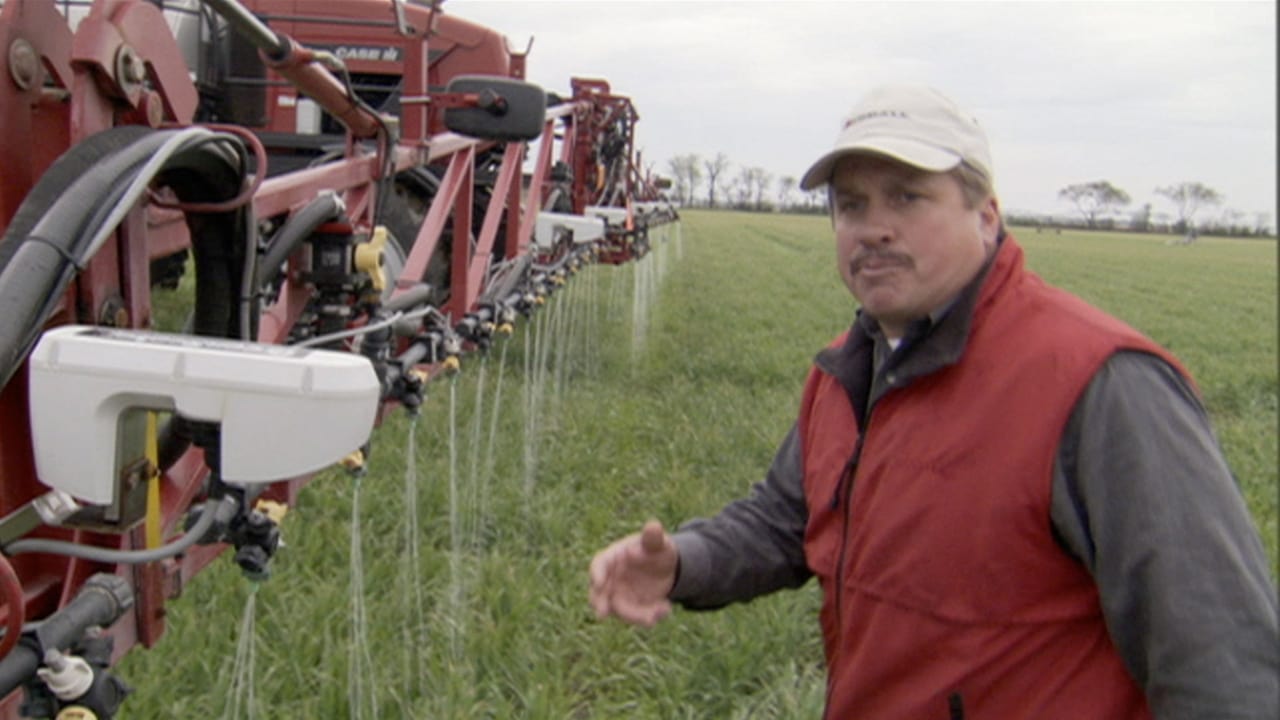
Fertilizer Without it one third of us would starve. Modern Marvels: Fertilizer tours the places that harness the vital nutrients that enrich the soil...that grow the crops...that feed us.
-
Cheese From the giant cheese factories of Wisconsin to the goat farms of Northern California, this episode explores cheese.
-
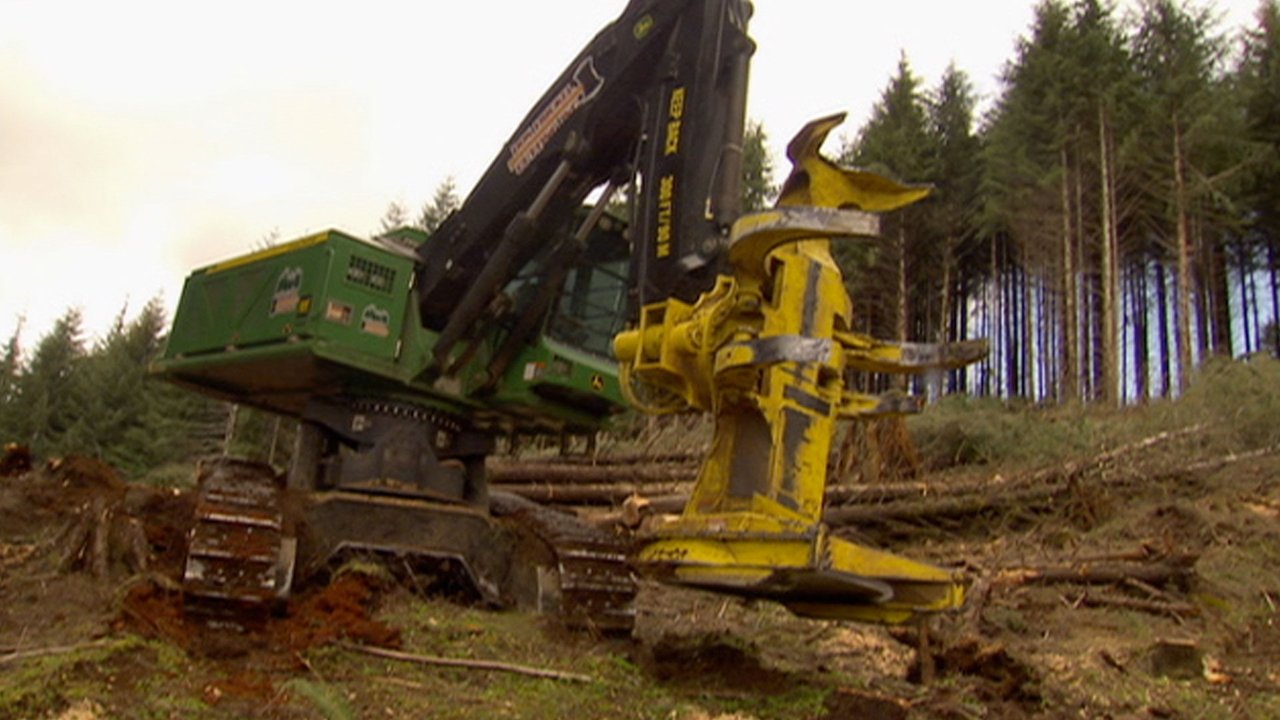
Saws They brought down the forests and built up the pyramids. They're a cut above for construction, salvage, demolition - and they even make music and some have used them to torture.
-
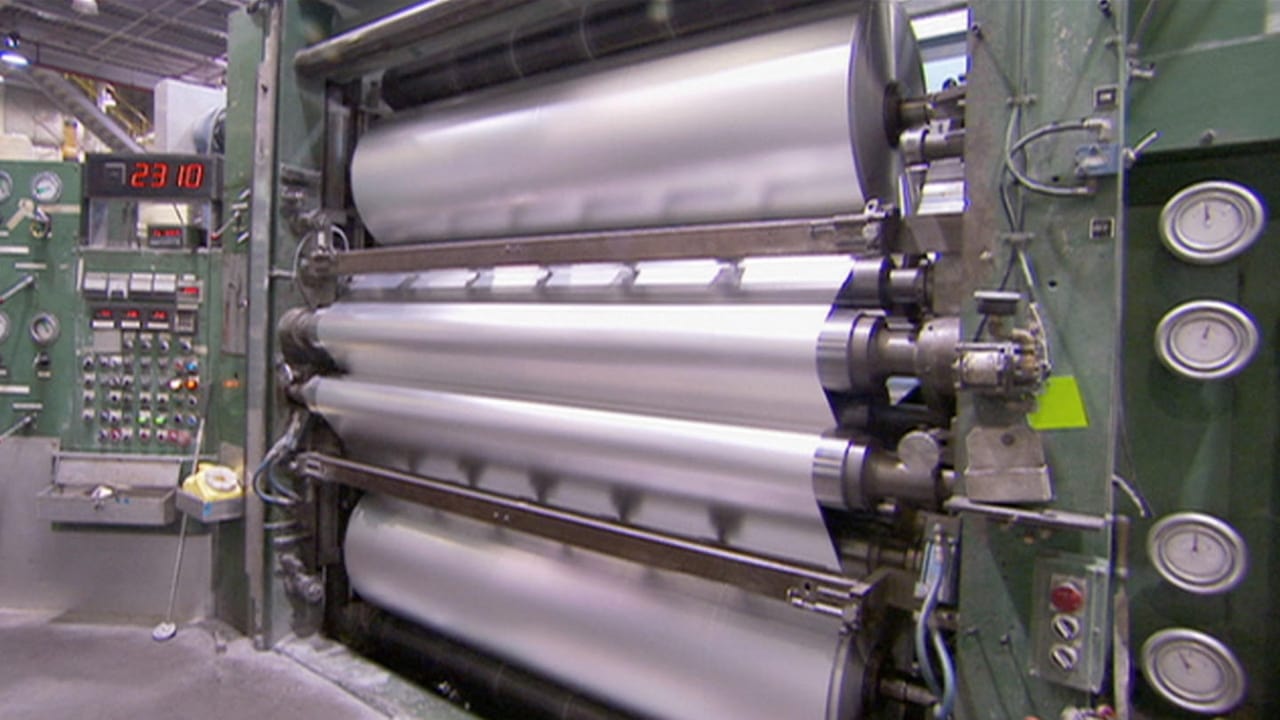
Aluminum This useful metal was once considered more valuable than gold. Watch as aluminum is stretched, pounded, melted and turned into foam. Did you know that aluminum is made out of a powder? Visit the widest rolling mill in the world where skins for the largest jets are made, then it’s off to NASA to observe how aluminum is used to make reflective mirrors for telescopes. Discover the process of making aluminum foil and learn why aluminum baseball bats are better than wood.
-
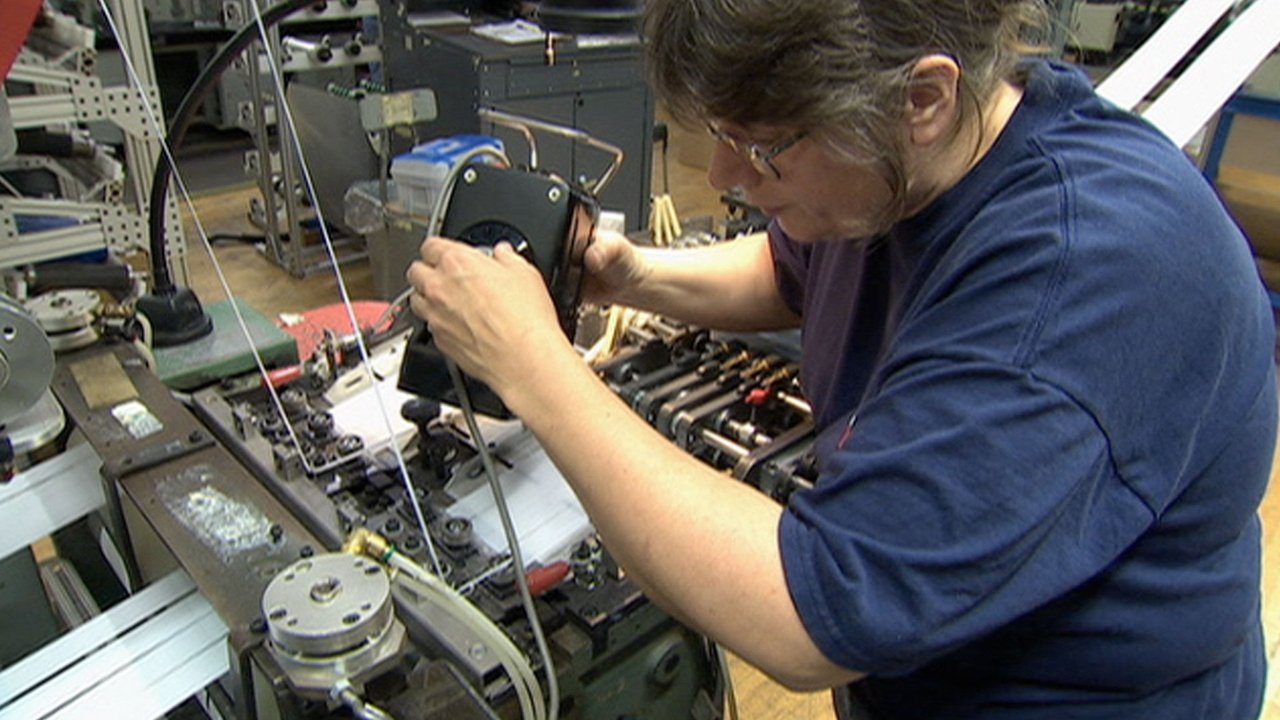
Sticky Stuff A look at everyday stuff that is sticky including VHB tape, velcro, stealth rubber, cling wrap, and asphalt.
-
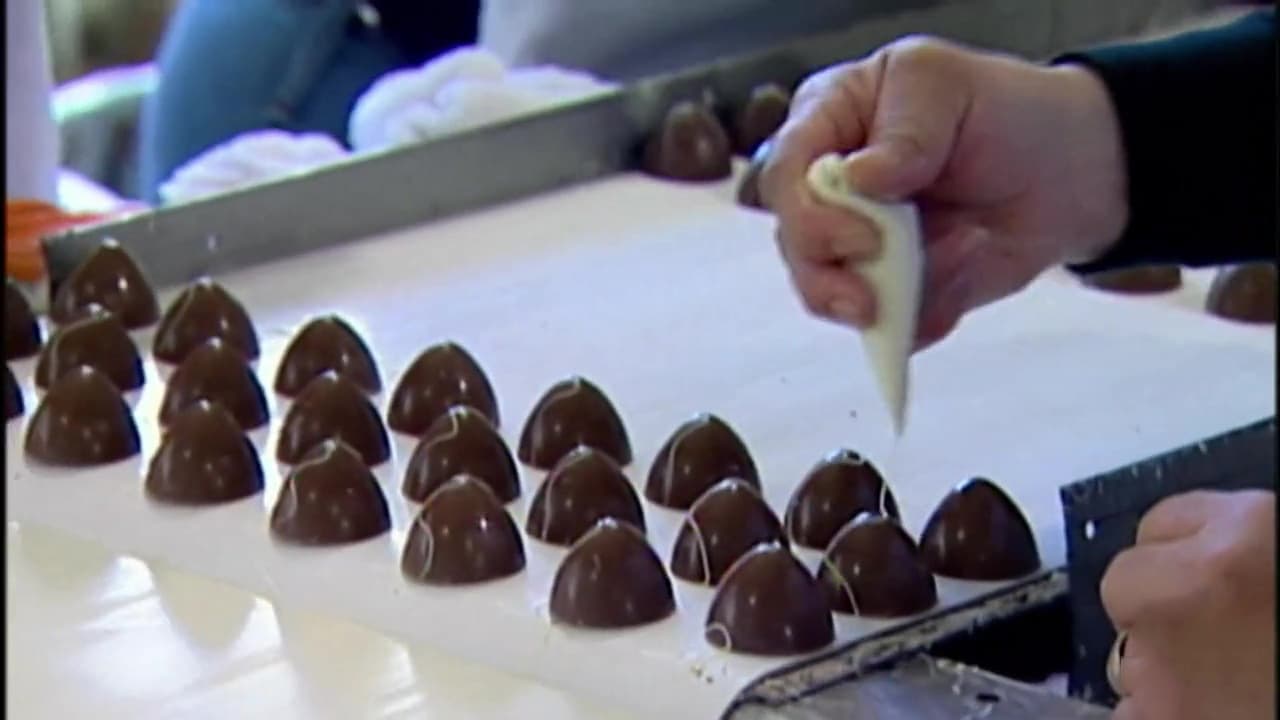
Chocolate It's America's favorite flavor. We eat over three and a half billion pounds of it each year. It satiated the ancients and built modern-day empires. From the equatorial fields, to the factories of moguls, and the kitchens of artisans.
-
Bedroom Tech We spend 1/3 of our lives in the bedroom, explore the technologies that help to ensure we wake up on the right side of the bed.
-
Vacuums On this episode of Modern Marvels we'll see giant-sized vacuums that clean up after disasters like Hurricane Katrina and 9-11. Beneath the sea we'll meet The Super Sucker, an underwater vacuum that saves coral reefs by suctioning up invasive alien algae.
-
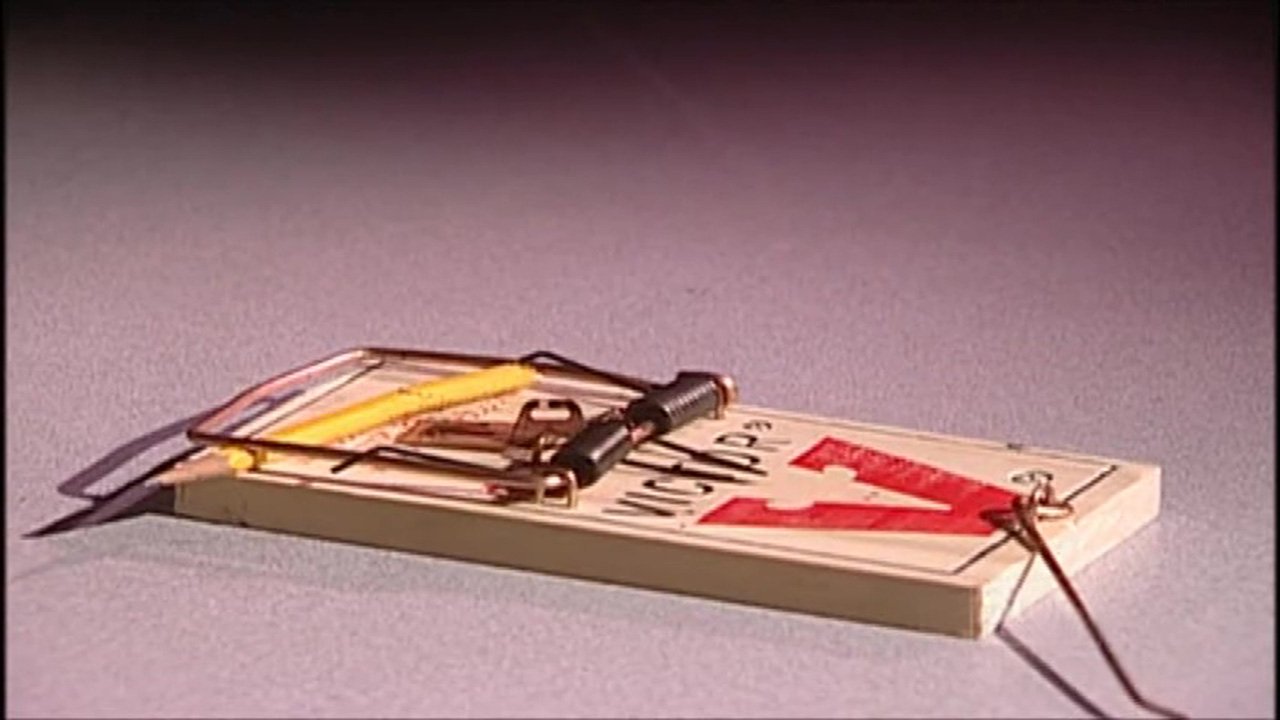
Traps They're designed to capture and often kill, but they don't always harm their prey. Traps are devices as old as humanity itself. We'll trap 400 pounds Black Bears with West Virginia Division of Natural Resources biologists.